
The Ultimate Cinnamon Tea Recipe: A Warming Guide to Cinnamon Bark Tea
Nothing beats the winter chill quite like a hot, steaming mug of homemade tea. If you are looking for a drink that is equal parts soothing, spicy, and healthy, you have found it. This cinnamon tea recipe is the perfect way to utilize simple pantry staples and turn them into a comforting elixir.
Whether you are looking for a caffeine-free pick-me-up or a natural remedy for a sore throat, this guide will teach you everything you need to know. We will cover how to brew the perfect cup using cinnamon bark, the differences between cinnamon types, and how to customize your brew for the perfect cozy sip.
Why This Is the Best Cinnamon Tea Recipe
There are countless ways to make tea, but this specific method focuses on extraction and simplicity. Many recipes use ground cinnamon, which can leave a gritty texture, but using whole cinnamon bark (sticks) ensures a clear, amber-colored drink with a deep, infused flavor profile that powder simply cannot match.
Easy Cinnamon Tea Recipe
A warm and soothing cinnamon tea recipe made with cinnamon bark.
Ingredients
- 3 cups water
- 4 sticks cinnamon bark
- Sugar or honey (to serve)
Instructions
- - Fill a pot with 3 cups water, drop in 4 cinnamon sticks and place on the stove.
- - Cover, bring to a boil, then simmer for about 15 minutes.
- - If using a kettle: Boil water first, add sticks, and steep for 10 minutes.
- - Pour into glasses with cinnamon sticks.
- - Serve with sugar or honey if desired.
- - Enjoy hot!
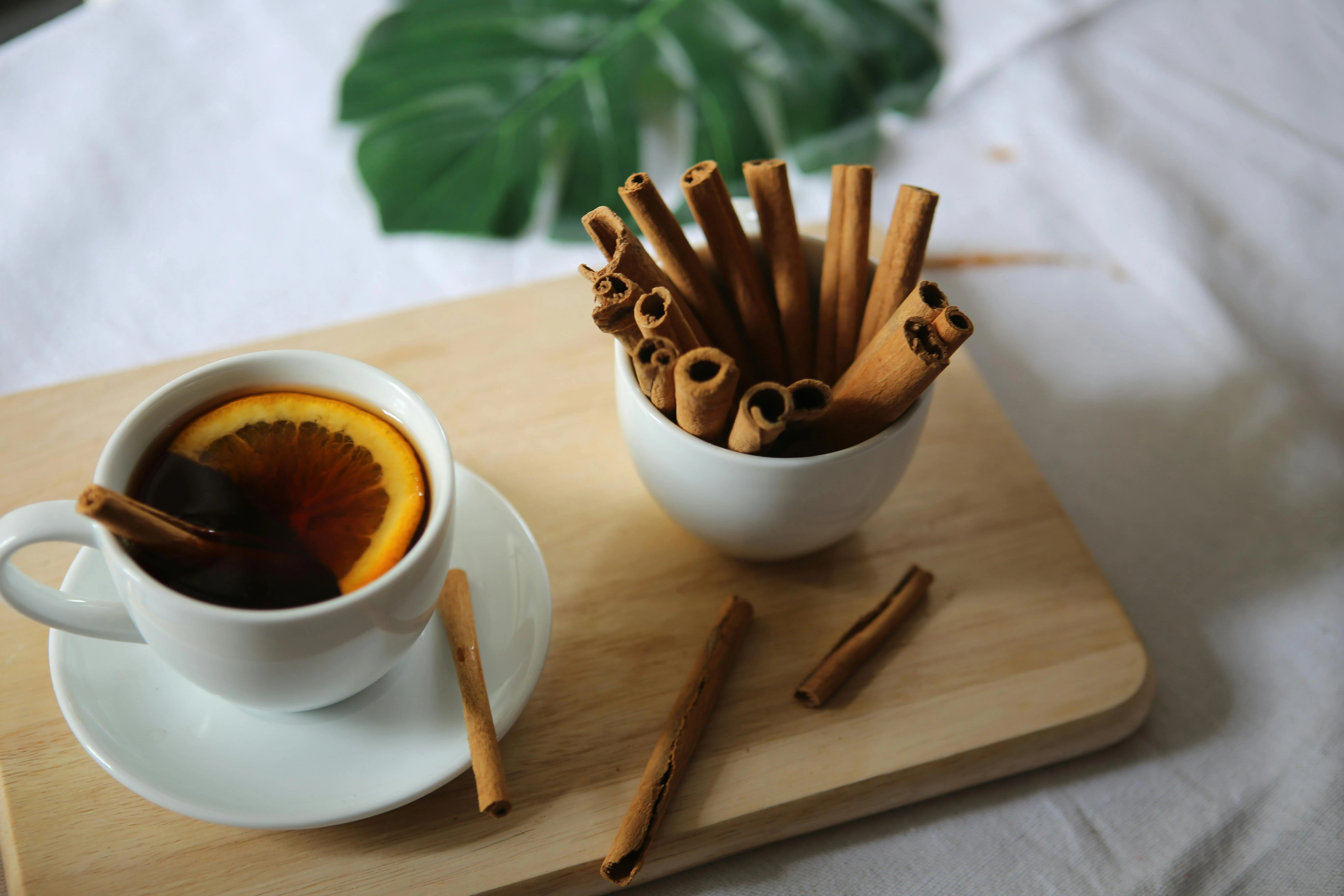
Here is why you will love this recipe:
No Straining Required: The cinnamon sticks are easy to remove or leave in the glass for decoration. No messy mesh strainers needed.
Pantry Staples: You most likely already have cinnamon sticks in your spice cabinet, so you can whip this tea up any time.
Indulgent but Healthy: The taste of cinnamon is naturally sweet and reminds many of dessert. Adding a bit of honey makes it feel indulgent while remaining low-calorie and healthy.
Therapeutic: It harnesses the natural antioxidant properties of cinnamon bark.
What Type of Cinnamon Should I Use?
Before we dive into the brewing process, it is helpful to understand the star ingredient. Not all cinnamon is created equal!
Cassia Cinnamon: Almost all cinnamon found in supermarkets is the Cassia variety. It originated in China and is very common. It has a dark brown-red color and provides that classic "spicy" cinnamon flavor. Note: Cassia contains Coumarin, which can be toxic in large doses, so enjoy in moderation.
Ceylon Cinnamon: Originating from Sri Lanka, this is often called "true cinnamon." The texture is softer, the color is lighter, and the flavor is more delicate and floral. It is more expensive but safer for consuming in very large quantities.
Tips for the Perfect Brew
Making herbal tea is an art form. Here are a few expert tips to ensure your cinnamon tea recipe turns out perfect every time.
Break the Sticks For even more flavor, break up the cinnamon sticks into smaller pieces before steeping. This increases the surface area and releases more of the essential oils into the water.
Cover During Simmering When you simmer the sticks, keep the pot covered. This traps the heat and the steam, ensuring the water does not evaporate too quickly and the flavor concentrates in the tea.
Adjusting Strength The more cinnamon sticks you use, the stronger your tea will be. If you prefer a milder tea, use fewer sticks or simmer for less time. For a spicy kick, simmer longer!
Variations on the Classic Recipe
Once you have mastered the basic cinnamon tea recipe, feel free to get creative. Cinnamon serves as a fantastic base for many other flavors.
1) Creamy Cinnamon Tea
If you’d like to add a little milk or cream to your tea, you can absolutely do so! This creates a latte-like experience that is incredibly calming.
2) Ginger Cinnamon Tea
For a spicy kick and added digestive benefits, add a few slices of fresh ginger root to the pot along with the cinnamon sticks. This is excellent for soothing a sore throat.
3) Cinnamon Black Tea
Soak the cinnamon bark alongside black tea bags. This gives you the caffeine boost of black tea with the warming spice of cinnamon—similar to a chai base.
4) Iced Cinnamon Tea
This tea is delicious cold! Make a large batch, let it cool, and store it in the fridge. Serve over ice for a refreshing, spicy summer drink.
Health Benefits of Cinnamon
Cinnamon is great to sip on, especially during cold and flu season!
- Blood Sugar Control: Often used by those monitoring blood sugar levels.
- Antioxidants: Cinnamon is loaded with polyphenol antioxidants.
- Heart Health: Potential positive effects on reducing heart disease risk factors.
- Brain Health: Some studies suggest it may help block protein buildup associated with Alzheimer's.
(Disclaimer: I am not a doctor. These points are based on general nutritional information and are not medical advice.)
Storing Your Cinnamon Tea
If you make a large batch, you might not finish it all in one sitting.
Refrigerator: This tea can be stored in a sealed glass pitcher or mason jar in the fridge for up to 3 to 4 days.
Reheating: Simply pour a cup and microwave it, or reheat it on the stove.
Frequently Asked Questions (FAQ)
Here are the most common questions regarding making this cinnamon tea recipe.
Can I use ground cinnamon for this recipe?
It is not recommended. Ground cinnamon does not dissolve in water; it forms a sludge at the bottom of the cup and can make the texture gritty. Cinnamon sticks (bark) provide a much cleaner infusion.
Does cinnamon tea contain caffeine?
No! Cinnamon tea made purely from bark and water is naturally caffeine-free.
Why does my tea taste bitter?
Bitterness can occur if you boil the sticks for too long (over 20-30 minutes) or if you use low-quality cinnamon. Sticking to the 15-minute simmer usually provides the best balance of sweet and spicy.
Is it safe to drink every day?
Generally, yes. However, if using Cassia cinnamon, be mindful of Coumarin intake. If you plan to drink multiple cups daily for a long period, consider switching to Ceylon cinnamon.