
Lemon Balm Tea Recipe: A Refreshing Guide to Fresh Herbal Tea
Nothing beats the summer heat quite like a tall, frosted glass of homemade herbal tea. If you are looking for a drink that is equal parts refreshing, calming, and delicious, you have found it. This lemon balm tea recipe is the perfect way to utilize the abundant growth in your garden and turn it into a soothing elixir. We have been making this recipe at least once a week for the last few years because of how good it is. It's great for a warm winter tea and also is an amazing and refreshing cold tea in the summer.
Whether you are drowning in a bumper crop of fresh lemon balm or you just picked up a bunch from the farmers market, this guide will teach you everything you need to know. We will cover how to brew the perfect cup, the incredible health benefits of this "gladdening herb," and how to customize your brew for the perfect summer sip.
Why This Is the Best Lemon Balm Tea Recipe
There are countless ways to make tea, but this specific method focuses on freshness and simplicity. Many recipes call for dried herbs, which are great for winter, but fresh lemon balm leaves offer a vibrant, citrusy, and slightly minty flavor profile that dried leaves simply cannot match.
Easy Lemon Balm Tea
An easy way to make lemon balm tea from fresh leaves.
Ingredients
- fresh lemon balm leaves
- water
- honey
- lemon
Instructions
- - Pluck a handful of lemon balm leaves, place them still fresh into a pot.
- - Boil water.
- - Pour it over the leaves. Leave the leaves soak for 10 minutes, then remove them.
- - Let the tea cool.
- - Pour the tea into a glass pitcher, add some lemon and sweeten with honey.
- - Add a lemon wedge and a few lemon balm leaves for decoration.
- - Enjoy!
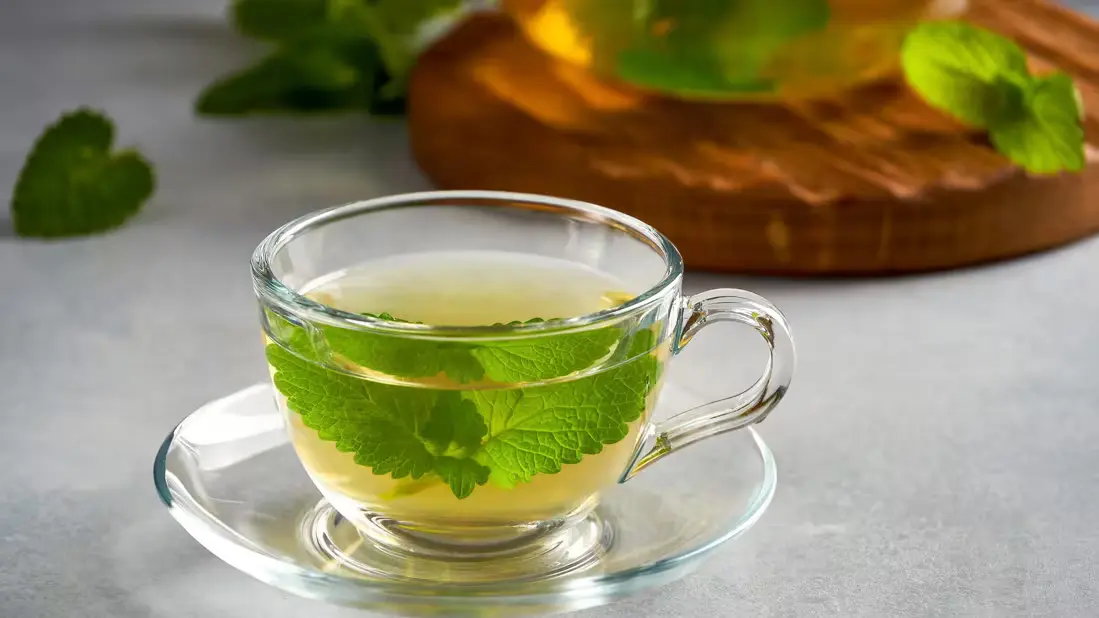
Here is why you will love this recipe:
It’s 100% Natural: No artificial flavorings, preservatives, or high-fructose corn syrups.
Garden-to-Table: It is the best way to use up that aggressive lemon balm plant taking over your garden.
Versatile: We've made this recipe in the summer with an iced version by just adding in some ice cubes at the end but the base recipe works perfectly for a hot, cozy mug before bed.
Therapeutic: It harnesses the natural calming properties of Melissa officinalis (lemon balm).
What is Lemon Balm?
Before we dive into the brewing process, it is helpful to understand the star ingredient. Lemon Balm (Melissa officinalis) is a perennial herb in the mint family. If you have ever grown it, you know it shares the mint family's tendency to spread rapidly!
The leaves look similar to mint—wrinkled and jagged at the edges—but the moment you rub a leaf between your fingers, you are hit with a distinct, sweet lemon aroma. It has been used for centuries, dating back to the Middle Ages, to reduce stress and anxiety, promote sleep, and improve appetite.
Because of its delicate essential oils, lemon balm is best treated gently. Boiling it too hard can destroy the flavor, which is why our recipe uses a "pour-over" steeping method.
Tips for the Perfect Brew
Making herbal tea is an art form. Here are a few expert tips to ensure your lemon balm tea recipe turns out perfect every time.
Bruise the Leaves Before placing the leaves in the pot, place them in your palm and give them a single, gentle clap or twist. This "bruising" helps rupture the cell walls of the plant, releasing the aromatic oils more effectively when the hot water hits them.
Cover During Steeping When you pour the hot water over the leaves, cover the pot with a lid or a small plate immediately. The essential oils in lemon balm are volatile, meaning they can evaporate with the steam. Covering the pot traps those oils in the water, ensuring the flavor stays in your cup, not in the air.
Adjusting Strength If you prefer a stronger tea, add more leaves, do not steep for longer. Steeping for too long leads to bitterness. If you want a punchier flavor, double the amount of fresh leaves used.
Variations on the Classic Recipe
Once you have mastered the basic lemon balm tea recipe, feel free to get creative. This herb pairs beautifully with many other garden favorites.
1) Lemon Balm and Mint Tea
Lemon balm and mint are cousins, and they play very well together. Substitute half of the lemon balm leaves for fresh peppermint or spearmint leaves. This creates a drink that is even more cooling—perfect for exceptionally hot days.
2) Ginger Lemon Balm Tea
For a spicy kick and added digestive benefits, add a few slices of fresh ginger root to the pot along with the leaves before pouring the boiling water. The ginger adds a warmth that contrasts nicely with the cooling lemon balm.
3) The "Arnold Palmer" Twist
Mix your brewed lemon balm tea with equal parts lemonade. This makes for a sweeter, more intense lemon experience that is a hit with children.
4) Vegan Option
If you do not consume honey, this recipe works perfectly with agave syrup, maple syrup, or simple syrup. Agave is particularly good as it has a neutral flavor profile that doesn't compete with the herbs.
How to Grow Your Own Lemon Balm
To make the best lemon balm tea recipe, you need a steady supply of fresh leaves. Luckily, lemon balm is one of the easiest plants to grow.
Hardiness: It is a perennial in zones 4-9, meaning it comes back every year.
Light: It prefers full sun to partial shade. In very hot climates, it appreciates some afternoon shade.
Soil: It isn't picky. Average, well-draining soil works fine.
Water: Keep the soil consistently moist but not waterlogged.
Container Gardening: Lemon balm is invasive (like mint). It spreads via underground runners. If you plant it directly in a garden bed, it will take over. It is highly recommended to plant it in a pot or container to keep it contained.
Harvesting for Tea
You can harvest lemon balm anytime during the growing season. Frequent harvesting actually encourages the plant to become bushier and produce more leaves. Just snip the stems about 2-3 inches above the soil line.
Storing Your Lemon Balm Tea
If you make a large batch, you might not finish it all in one sitting.
Flavor Changes: Note that the flavor may change slightly over time. Fresh herbal teas are best consumed within 24 hours for the brightest flavor.
Freezing: You can freeze this tea! Pour the cooled tea into ice cube trays. These "tea cubes" are fantastic to add to future glasses of water or lemonade for a subtle flavor boost without diluting the drink.
Frequently Asked Questions (FAQ)
Here are the most common questions regarding making lemon balm tea.
Can I use dried lemon balm leaves for this recipe?
Yes, you can. However, dried herbs are more concentrated than fresh ones. If using dried lemon balm, use 1 tablespoon of dried leaves per cup of water. The flavor will be earthier and less "bright" than the fresh version, but it will still be delicious and offer the same health benefits.
Does lemon balm tea contain caffeine?
No! Lemon balm is naturally caffeine-free. This makes it an excellent choice for children, pregnant women (consult your doctor first), or anyone sensitive to caffeine. It is a hydration-friendly beverage.
Why does my tea taste bitter?
Bitterness usually comes from two things:
Steeping too long: If you leave the leaves in for 20+ minutes, tannins are released.
Water too hot: Using violently boiling water can scorch the leaves. Stick to the 10-minute steep time for the smoothest flavor.
Can I drink lemon balm tea every day?
generally, yes. Lemon balm is considered safe for regular consumption. However, it is often recommended to take a break after a few weeks of daily consumption to see how your body reacts. People with thyroid disorders (specifically hypothyroidism) should consult a doctor, as lemon balm can inhibit thyroid function in large amounts.
How do I sweeten the tea if I forgot to add honey while it was hot?
If your tea is already cold, honey will not dissolve well. Instead, make a simple syrup (boil equal parts sugar/honey and water until dissolved) and stir that into the cold tea. Alternatively, use maple syrup or agave, which are liquid at room temperature.
If you like more tea recipes, check out our cinnamon tea recipe. Also we have a bunch of other amazing recipes on our home page.