
 ⏱ 20 min total
Orzo with Zucchini and Tomato
Per 1 serving · 108 g · 8 ingredients
of a 2,000 cal day
- Protein7.9g14% of calories
- Carbs34g62% of calories
- Fat5.7g23% of calories
- ✓ Low sodium
At a glance
One serving of Orzo with Zucchini and Tomato (108 g) has 213 calories, with 7.9 g of protein, 34 g of carbohydrates and 5.7 g of fat. Most of its energy comes from carbs (62% of calories).
High in
20%+ of the daily value
Nothing notable
Good source of
10–19% of the daily value
- Vitamin C11%
Watch
20%+ of the daily value
Nothing notable
Ingredients
For one serving. Tap an ingredient to see its nutrition.
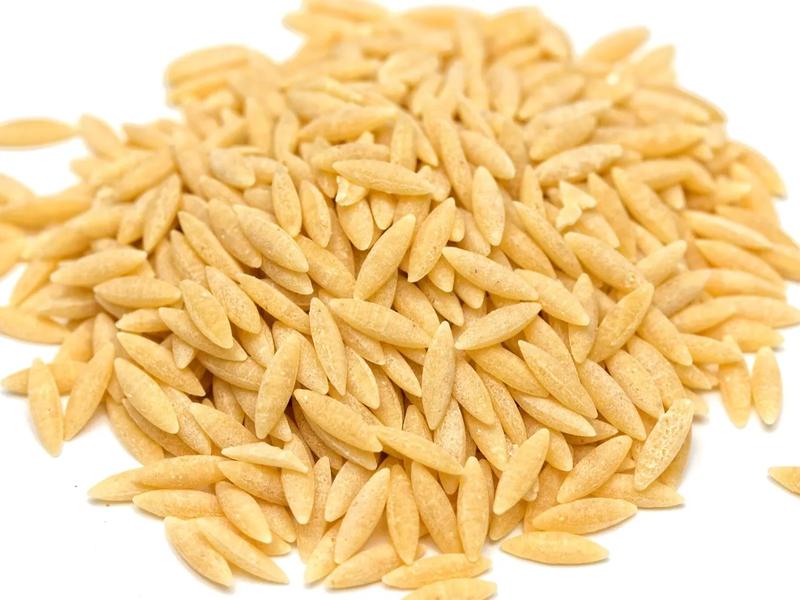 1 ½ oz Orzo
 ⅛ large Zucchini
 ¼ plum tomato Tomatoes
 ½ cloves, minced Garlic
 ¼ tbsp Olive oil
- 🥄¼ dash Salt
 ¼ dash Black pepper
 ¹⁄₁₆ cup Parmesan cheese
Directions
- 1
Cook the orzo in a large pot of salted water until al dente, following package instructions.
- 2
Reserve about 1/2 cup of the cooking liquid before draining the orzo. Drain the orzo in a colander and add olive oil to the pot.
- 3
Sauté the minced garlic in the pot for 1 minute until fragrant. Add the diced zucchini and tomatoes, season with salt and pepper, and cook for 3 to 4 minutes until tender.
- 4
Add the cooked orzo back into the pot and stir to combine. Add some of the reserved cooking liquid if needed to prevent the pasta from becoming dry.
- 5
Stir in the freshly grated Parmesan cheese and serve.
Vitamins & minerals
Amounts for 1 serving (108 g). Bars show % of the daily value.
Vitamins
| Nutrient | Amount | % Daily Value |
|---|---|---|
| Vitamin A | 22 μg | 2% |
| Vitamin C | 10 mg | 11% |
| Vitamin D | 0 μg | 0% |
| Vitamin E | 1 mg | 4% |
| Vitamin K | 5 μg | 4% |
| Thiamine | 0 mg | 3% |
| Riboflavin (B2) | 0.1 mg | 5% |
| Niacin | 0.3 mg | 2% |
| Vitamin B6 | 0.1 mg | 8% |
| Folate (B9) | 12 μg | 3% |
| Vitamin B12 | 0.1 μg | 3% |
| Pantothenic acid | 0.1 mg | 3% |
| Choline | 6 mg | 1% |
Minerals
| Nutrient | Amount | % Daily Value |
|---|---|---|
| Calcium | 74 mg | 7% |
| Iron | 0.3 mg | 4% |
| Potassium | 153 mg | 3% |
| Magnesium | 12 mg | 3% |
| Phosphorus | 58 mg | 8% |
| Zinc | 0.3 mg | 3% |
| Copper | 0 mg | 4% |
| Manganese | 0.1 mg | 5% |
| Selenium | 1 μg | 3% |
Full breakdown · 43 more nutrients
| Nutrient | Amount | % Daily Value |
|---|---|---|
| Alanine | 0.1 g | — |
| Alpha Linolenic Acid (ALA) | 0 g | — |
| Alpha carotene | 16 μg | — |
| Arginine | 0.1 g | — |
| Aspartic acid | 0.2 g | — |
| Beta carotene | 122 μg | — |
| Caffeine | 0 mg | — |
| Cystine | 0 g | — |
| Docosahexaenoic Acid (DHA) | 0 g | — |
| Docosapentaenoic Acid (DPA) | 0 g | — |
| Eicosapentaenoic Acid (EPA) | 0 g | — |
| Fluoride | 0.4 μg | — |
| Fructose | 1 g | — |
| Galactose | 0 g | — |
| Glucose | 1 g | — |
| Glutamic acid | 1 g | — |
| Glycine | 0.1 g | — |
| Histidine | 0.1 g | — |
| Hydroxyproline | 0 g | — |
| Isoleucine | 0.1 g | — |
| Lactose | 0 g | — |
| Leucine | 0.2 g | — |
| Lycopene | 399 μg | — |
| Lysine | 0.2 g | — |
| Maltose | 0 g | — |
| Methionine | 0.1 g | — |
| Monounsaturated fats | 3 g | — |
| Phenylalanine | 0.1 g | — |
| Polyunsaturated fats | 0.4 g | — |
| Proline | 0.2 g | — |
| Retinol | 11 μg | — |
| Serine | 0.1 g | — |
| Starch | 0 g | — |
| Sucrose | 0 g | — |
| Theobromine | 0 mg | — |
| Threonine | 0.1 g | — |
| Total omega 3 | 0 g | — |
| Total omega 6 | 0 g | — |
| Tryptophan | 0 g | — |
| Tyrosine | 0.1 g | — |
| Valine | 0.2 g | — |
| Vitamin D2 | 0 μg | — |
| Vitamin D3 | 0 μg | — |
Burning 213 calories
Estimated for a 70 kg (154 lb) adult using MET values from the Compendium of Physical Activities.
- 40minWalking (3.5 mph)
- 26minCycling (moderate)
- 18minRunning (6 mph)
- 30minSwimming laps
Common questions
How many calories are in Orzo with Zucchini and Tomato?
One serving of Orzo with Zucchini and Tomato (1 serving) has 213 calories, which works out to 196 calories per 100 g. That is about 11% of a 2,000-calorie day.
Is Orzo with Zucchini and Tomato high in protein?
Not especially. It has 7.9 g of protein per serving, and protein supplies 14% of its calories. Foods where protein provides 30% or more of calories are generally considered protein-dense.
Is Orzo with Zucchini and Tomato keto-friendly?
It is hard to fit into a strict keto diet. One serving has 32 g of net carbs and 62% of its calories come from carbohydrates, while most keto plans cap net carbs at 20–50 g per day.
How much sodium is in Orzo with Zucchini and Tomato?
128 mg per serving, which meets the FDA definition of low sodium (140 mg or less).
How much sugar is in Orzo with Zucchini and Tomato?
2.2 g of total sugars per serving. Labels list total sugars, which include natural sugars from fruit and milk as well as any added sugars.
More recipes
View all 272 calTangy Pineapple Chicken1 serving
 467 calSalmon with Pineapple Salsa and Spicy Chile Sauce1 serving
 404 calHawaiian BBQ Chicken Wraps1 serving
 453 calTropical Grain-Free Breakfast Porridge1 serving
 221 calPapaya Salsa with Tortilla Chips1 serving
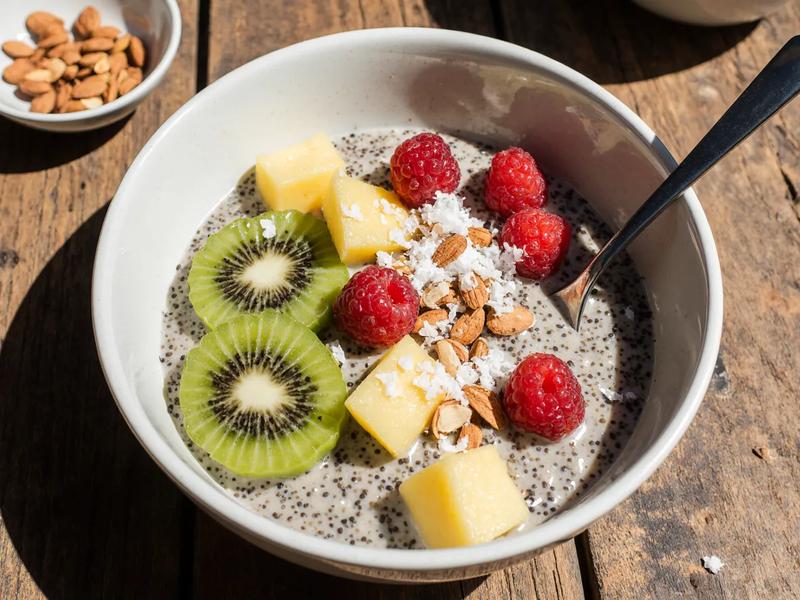 681 calOvernight Coconut-Chia Pudding Breakfast Bowl1 serving
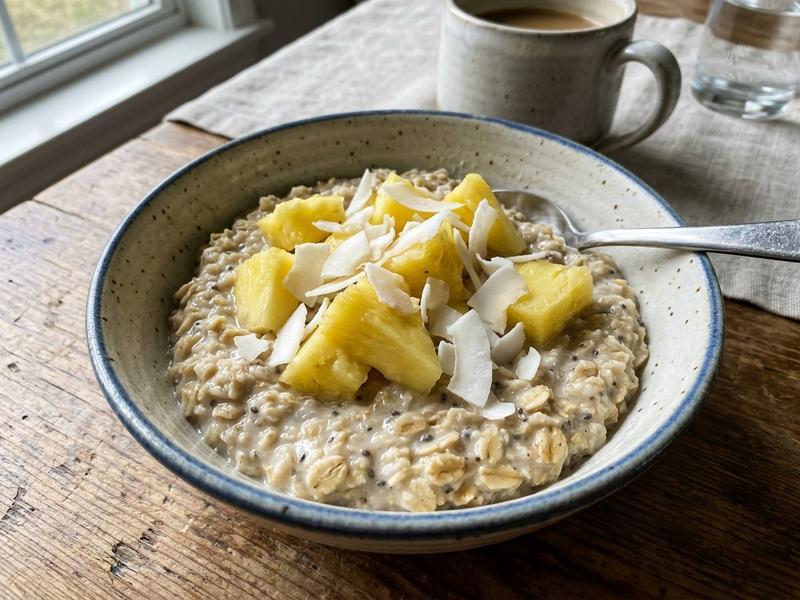 592 calTropical Coconut Oatmeal1 serving
 203 calPaleo Pineapple Chicken Spinach Meatballs1 serving