
 ⏱ 45 min total
Bibimbap with Gochujang Sauce
Per 1 serving · 300 g · 11 ingredients
of a 2,000 cal day
- Protein15g13% of calories
- Carbs58g49% of calories
- Fat21g39% of calories
At a glance
One serving of Bibimbap with Gochujang Sauce (300 g) has 476 calories, with 15 g of protein, 58 g of carbohydrates and 21 g of fat. Most of its energy comes from carbs (49% of calories). It is high in protein (30% DV), Vitamin A (81% DV) and Vitamin C (24% DV). Keep an eye on sodium and cholesterol, which provide 69% and 62% of the daily value.
High in
20%+ of the daily value
- Protein30%
- Vitamin A81%
- Vitamin C24%
- Vitamin K97%
- Thiamine33%
- Riboflavin (B2)32%
Good source of
10–19% of the daily value
- Dietary fiber18%
- Vitamin E11%
- Vitamin B1219%
- Potassium14%
- Magnesium16%
- Zinc18%
Watch
20%+ of the daily value
- Sodium69%
- Cholesterol62%
Ingredients
For one serving. Tap an ingredient to see its nutrition.
 ¼ cup White rice
 1 tbsp Sesame oil
 ½ cup strips or slices Carrots
 ½ cup, sliced Zucchini
 ½ cup Spinach
 1 medium Scallions
 1 cloves, minced Garlic
 1 tbsp Tamari soy sauce
 1 large Egg
- 🥄1 tbsp Gochujang
 1 tsp Sesame seeds
Directions
- 1
Cook the rice according to package instructions until tender and fluffy. Keep covered and set aside.
- 2
Heat a large skillet over medium heat and add one-quarter of the sesame oil to coat the pan.
- 3
Cook each type of vegetable separately until lightly browned, seasoning with minced garlic and a dash of soy sauce. Add more oil as needed.
- 4
Arrange the cooked vegetables on a serving plate and cover to keep warm.
- 5
In the same pan, heat the remaining oil and cook the eggs sunny-side up. Cover briefly to steam, then uncover and cook until whites are set.
- 6
Divide the rice between bowls and top with vegetables and eggs.
- 7
Serve with Gochujang and sesame seeds.
Vitamins & minerals
Amounts for 1 serving (300 g). Bars show % of the daily value.
Vitamins
| Nutrient | Amount | % Daily Value |
|---|---|---|
| Vitamin A | 733 μg | 81% |
| Vitamin C | 22 mg | 24% |
| Vitamin D | 1 μg | 7% |
| Vitamin E | 2 mg | 11% |
| Vitamin K | 116 μg | 97% |
| Thiamine | 0.4 mg | 33% |
| Riboflavin (B2) | 0.4 mg | 32% |
| Niacin | 4 mg | 25% |
| Vitamin B6 | 0.5 mg | 37% |
| Folate (B9) | 200 μg | 50% |
| Vitamin B12 | 0.5 μg | 19% |
| Pantothenic acid | 2 mg | 33% |
| Choline | 172 mg | 31% |
Minerals
| Nutrient | Amount | % Daily Value |
|---|---|---|
| Calcium | 212 mg | 21% |
| Iron | 5 mg | 60% |
| Potassium | 654 mg | 14% |
| Magnesium | 68 mg | 16% |
| Phosphorus | 255 mg | 36% |
| Zinc | 2 mg | 18% |
| Copper | 0.4 mg | 40% |
| Manganese | 1 mg | 46% |
| Selenium | 24 μg | 44% |
Full breakdown · 43 more nutrients
| Nutrient | Amount | % Daily Value |
|---|---|---|
| Alanine | 1 g | — |
| Alpha Linolenic Acid (ALA) | 0.1 g | — |
| Alpha carotene | 2,121 μg | — |
| Arginine | 1 g | — |
| Aspartic acid | 1 g | — |
| Beta carotene | 6,056 μg | — |
| Caffeine | 0 mg | — |
| Cystine | 0.3 g | — |
| Docosahexaenoic Acid (DHA) | 0 g | — |
| Docosapentaenoic Acid (DPA) | 0 g | — |
| Eicosapentaenoic Acid (EPA) | 0 g | — |
| Fluoride | 2 μg | — |
| Fructose | 1 g | — |
| Galactose | 0 g | — |
| Glucose | 1 g | — |
| Glutamic acid | 2 g | — |
| Glycine | 1 g | — |
| Histidine | 0.3 g | — |
| Hydroxyproline | 0 g | — |
| Isoleucine | 1 g | — |
| Lactose | 0 g | — |
| Leucine | 1 g | — |
| Lycopene | 1 μg | — |
| Lysine | 1 g | — |
| Maltose | 0 g | — |
| Methionine | 0.3 g | — |
| Monounsaturated fats | 8 g | — |
| Phenylalanine | 1 g | — |
| Polyunsaturated fats | 8 g | — |
| Proline | 1 g | — |
| Retinol | 80 μg | — |
| Serine | 1 g | — |
| Starch | 1 g | — |
| Sucrose | 2 g | — |
| Theobromine | 0 mg | — |
| Threonine | 1 g | — |
| Total omega 3 | 0.1 g | — |
| Total omega 6 | 1 g | — |
| Tryptophan | 0.2 g | — |
| Tyrosine | 1 g | — |
| Valine | 1 g | — |
| Vitamin D2 | 0 μg | — |
| Vitamin D3 | 1 μg | — |
Burning 476 calories
Estimated for a 70 kg (154 lb) adult using MET values from the Compendium of Physical Activities.
- 90minWalking (3.5 mph)
- 57minCycling (moderate)
- 40minRunning (6 mph)
- 67minSwimming laps
Common questions
How many calories are in Bibimbap with Gochujang Sauce?
One serving of Bibimbap with Gochujang Sauce (1 serving) has 476 calories, which works out to 158 calories per 100 g. That is about 24% of a 2,000-calorie day.
Is Bibimbap with Gochujang Sauce high in protein?
It provides a solid 15 g of protein per serving (30% of the 50 g daily value), but protein supplies only 13% of its calories, so it is not a protein-dense food. Foods where protein provides 30% or more of calories are generally considered protein-dense.
Is Bibimbap with Gochujang Sauce keto-friendly?
It is hard to fit into a strict keto diet. One serving has 53 g of net carbs and 49% of its calories come from carbohydrates, while most keto plans cap net carbs at 20–50 g per day.
How much sodium is in Bibimbap with Gochujang Sauce?
1591 mg per serving, which is high (20% or more of the 2,300 mg daily value).
How much sugar is in Bibimbap with Gochujang Sauce?
14 g of total sugars per serving. Labels list total sugars, which include natural sugars from fruit and milk as well as any added sugars.
More recipes
View all 226 calPineapple Fried Cauliflower "Rice1 serving
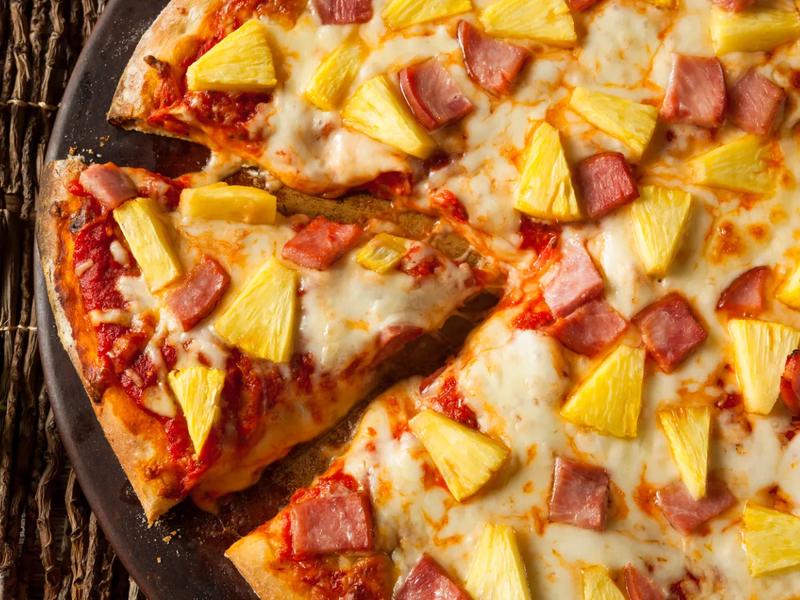 338 calPineapple and Ham Pizza1 serving
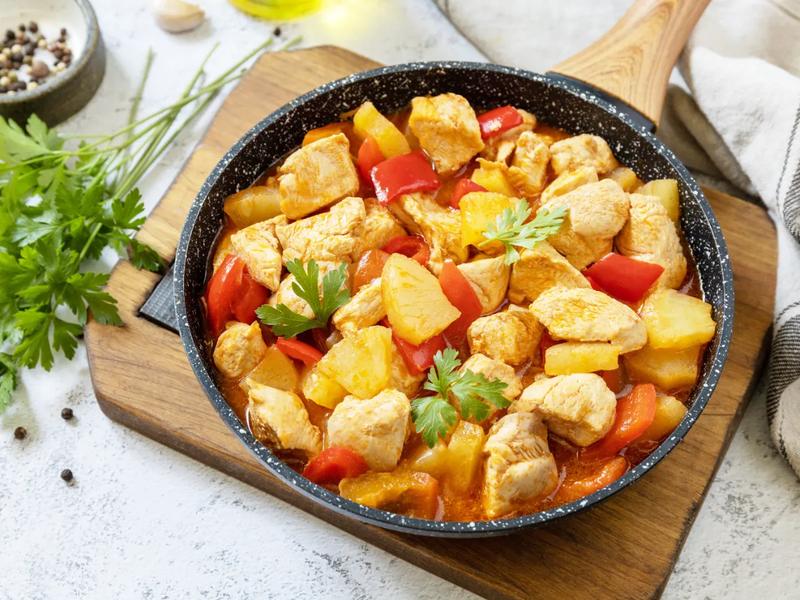 272 calTangy Pineapple Chicken1 serving
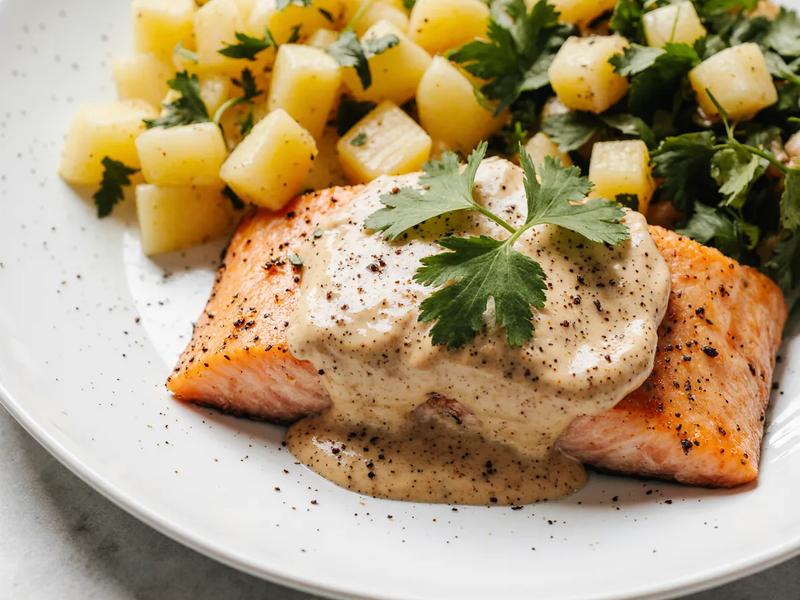 467 calSalmon with Pineapple Salsa and Spicy Chile Sauce1 serving
 404 calHawaiian BBQ Chicken Wraps1 serving
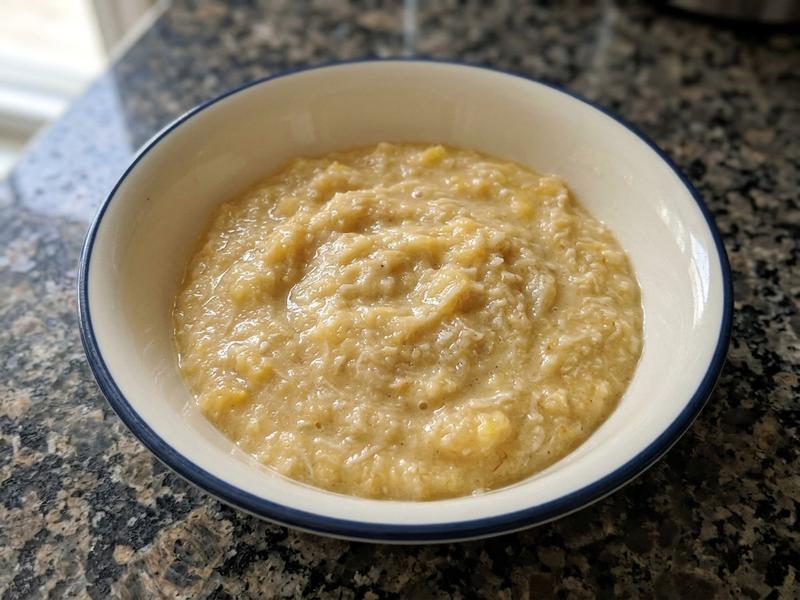 453 calTropical Grain-Free Breakfast Porridge1 serving
 221 calPapaya Salsa with Tortilla Chips1 serving
 681 calOvernight Coconut-Chia Pudding Breakfast Bowl1 serving