
 ⏱ 30 min total
Chicken Kabobs
Per 1 serving · 300 g · 5 ingredients
of a 2,000 cal day
- Protein28g40% of calories
- Carbs33g48% of calories
- Fat3.7g12% of calories
- ✓ Protein-dense
- ✓ Low saturated fat
At a glance
One serving of Chicken Kabobs (300 g) has 285 calories, with 28 g of protein, 33 g of carbohydrates and 3.7 g of fat. Most of its energy comes from carbs (48% of calories). It is high in protein (57% DV), Vitamin C (98% DV) and riboflavin (b2) (21% DV). Keep an eye on sodium and cholesterol, which provide 30% and 29% of the daily value.
High in
20%+ of the daily value
- Protein57%
- Vitamin C98%
- Riboflavin (B2)21%
- Niacin77%
- Vitamin B697%
- Pantothenic acid41%
Good source of
10–19% of the daily value
- Dietary fiber10%
- Vitamin A10%
- Vitamin E13%
- Thiamine18%
- Folate (B9)11%
- Vitamin B1210%
Watch
20%+ of the daily value
- Sodium30%
- Cholesterol29%
Ingredients
For one serving. Tap an ingredient to see its nutrition.
 ½ full breast (both fillets) Chicken breast
 ¼ large (2-1/4 per lb, approx 3-3/4" long, Green bell pepper
 ¼ large Onion
 ¼ large (2-1/4 per pound, approx 3-3/4" lo Red bell pepper
 ¼ cup Barbecue sauce
Directions
- 1
Preheat the grill for high heat and slice the chicken breast into cubes to skew. Cut the onion and pepper into wedges to skew.
- 2
Thread the chicken, green bell pepper, onion, and red bell pepper pieces onto skewers alternately.
- 3
Lightly oil the grill grate. Place kabobs on the prepared grill, and brush with barbeque sauce. Cook, turning and brushing with barbeque sauce frequently, for 15 minutes, or until chicken juices run clear.
Vitamins & minerals
Amounts for 1 serving (300 g). Bars show % of the daily value.
Vitamins
| Nutrient | Amount | % Daily Value |
|---|---|---|
| Vitamin A | 87 μg | 10% |
| Vitamin C | 89 mg | 98% |
| Vitamin D | 0 μg | 0% |
| Vitamin E | 2 mg | 13% |
| Vitamin K | 7 μg | 5% |
| Thiamine | 0.2 mg | 18% |
| Riboflavin (B2) | 0.3 mg | 21% |
| Niacin | 12 mg | 77% |
| Vitamin B6 | 1 mg | 97% |
| Folate (B9) | 42 μg | 11% |
| Vitamin B12 | 0.2 μg | 10% |
| Pantothenic acid | 2 mg | 41% |
| Choline | 108 mg | 20% |
Minerals
| Nutrient | Amount | % Daily Value |
|---|---|---|
| Calcium | 42 mg | 4% |
| Iron | 1 mg | 16% |
| Potassium | 752 mg | 16% |
| Magnesium | 54 mg | 13% |
| Phosphorus | 294 mg | 42% |
| Zinc | 1 mg | 10% |
| Copper | 0.1 mg | 13% |
| Manganese | 0.3 mg | 12% |
| Selenium | 28 μg | 51% |
Full breakdown · 43 more nutrients
| Nutrient | Amount | % Daily Value |
|---|---|---|
| Alanine | 2 g | — |
| Alpha Linolenic Acid (ALA) | 0 g | — |
| Alpha carotene | 17 μg | — |
| Arginine | 2 g | — |
| Aspartic acid | 3 g | — |
| Beta carotene | 835 μg | — |
| Caffeine | 0 mg | — |
| Cystine | 0.3 g | — |
| Docosahexaenoic Acid (DHA) | 0 g | — |
| Docosapentaenoic Acid (DPA) | 0 g | — |
| Eicosapentaenoic Acid (EPA) | 0 g | — |
| Fluoride | 1 μg | — |
| Fructose | 11 g | — |
| Galactose | 0 g | — |
| Glucose | 12 g | — |
| Glutamic acid | 4 g | — |
| Glycine | 1 g | — |
| Histidine | 1 g | — |
| Hydroxyproline | 0 g | — |
| Isoleucine | 1 g | — |
| Lactose | 0 g | — |
| Leucine | 2 g | — |
| Lycopene | 2,844 μg | — |
| Lysine | 3 g | — |
| Maltose | 0 g | — |
| Methionine | 1 g | — |
| Monounsaturated fats | 1 g | — |
| Phenylalanine | 1 g | — |
| Polyunsaturated fats | 1 g | — |
| Proline | 1 g | — |
| Retinol | 8 μg | — |
| Serine | 1 g | — |
| Starch | 0.2 g | — |
| Sucrose | 2 g | — |
| Theobromine | 0 mg | — |
| Threonine | 1 g | — |
| Total omega 3 | 0 g | — |
| Total omega 6 | 0.5 g | — |
| Tryptophan | 0.3 g | — |
| Tyrosine | 1 g | — |
| Valine | 1 g | — |
| Vitamin D2 | 0 μg | — |
| Vitamin D3 | 0 μg | — |
Burning 285 calories
Estimated for a 70 kg (154 lb) adult using MET values from the Compendium of Physical Activities.
- 54minWalking (3.5 mph)
- 34minCycling (moderate)
- 24minRunning (6 mph)
- 40minSwimming laps
Common questions
How many calories are in Chicken Kabobs?
One serving of Chicken Kabobs (1 serving) has 285 calories, which works out to 95 calories per 100 g. That is about 14% of a 2,000-calorie day.
Are Chicken Kabobs high in protein?
Yes. It has 28 g of protein per serving, and 40% of its calories come from protein (9.9 g of protein per 100 calories).
Are Chicken Kabobs keto-friendly?
It is hard to fit into a strict keto diet. One serving has 31 g of net carbs and 48% of its calories come from carbohydrates, while most keto plans cap net carbs at 20–50 g per day.
How much sodium is in Chicken Kabobs?
699 mg per serving, which is high (20% or more of the 2,300 mg daily value).
How much sugar is in Chicken Kabobs?
25 g of total sugars per serving. Labels list total sugars, which include natural sugars from fruit and milk as well as any added sugars.
More recipes
View all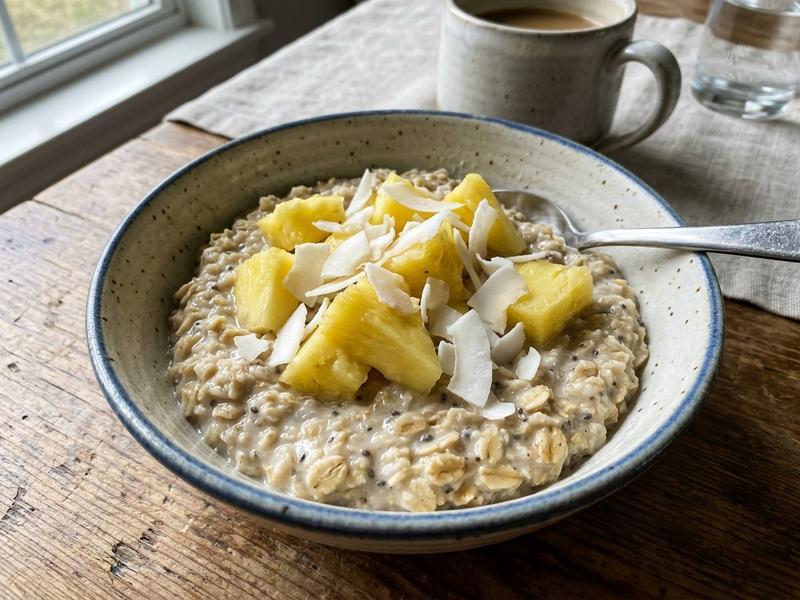 592 calTropical Coconut Oatmeal1 serving
 203 calPaleo Pineapple Chicken Spinach Meatballs1 serving
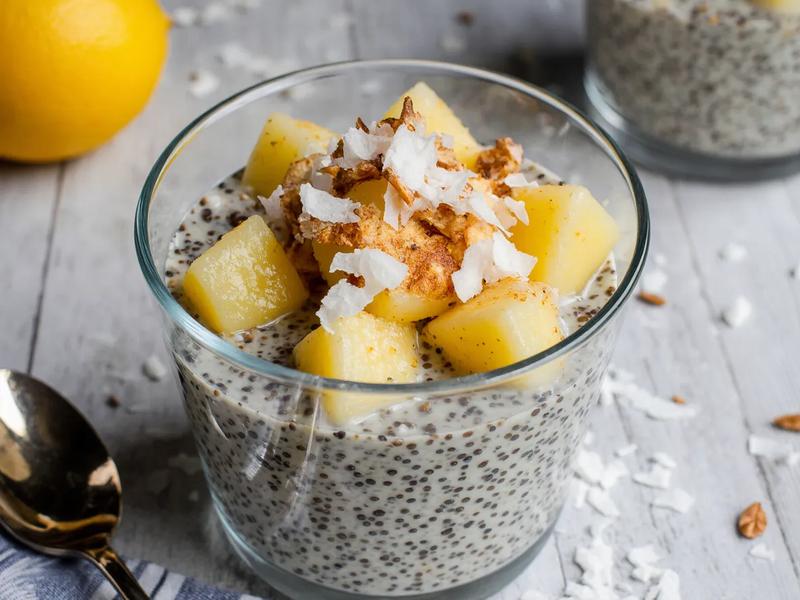 303 calPina Colada Chia Pudding1 serving
 333 calGreena" Colada1 serving
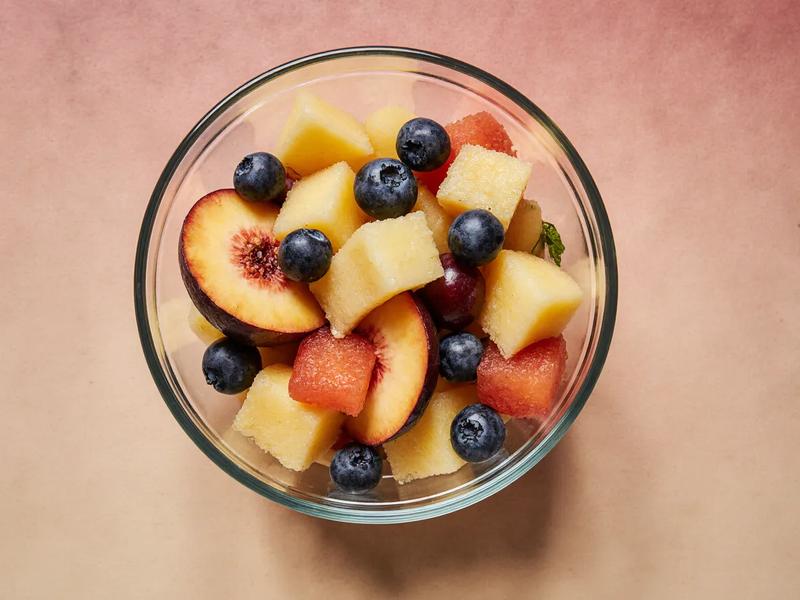 133 calClassic Fruit Salad1 serving
 286 calGreen Pineapple Piña Colada Smoothie1 serving
 421 calTropical Strawberry Swirl Smoothies1 serving
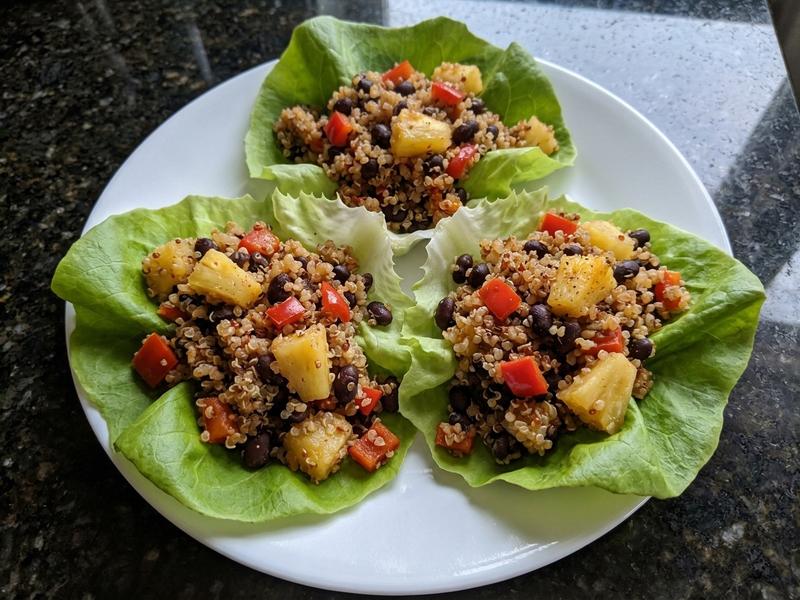 335 calOne Pot Quinoa and Black Bean Wraps1 serving