
 ⏱ 45 min total
Breakfast Cauliflower Egg Cups
Per 1 serving · 104 g · 8 ingredients
of a 2,000 cal day
- Protein8.8g32% of calories
- Carbs3g11% of calories
- Fat6.8g56% of calories
At a glance
One serving of Breakfast Cauliflower Egg Cups (104 g) has 108 calories, with 8.8 g of protein, 3 g of carbohydrates and 6.8 g of fat. Most of its energy comes from fat (56% of calories). It is high in Vitamin C (26% DV), riboflavin (b2) (22% DV) and Vitamin B12 (21% DV). Keep an eye on cholesterol, which provides 62% of the daily value.
High in
20%+ of the daily value
- Vitamin C26%
- Riboflavin (B2)22%
- Vitamin B1221%
- Pantothenic acid22%
- Choline30%
- Phosphorus22%
Good source of
10–19% of the daily value
- Vitamin A10%
- Vitamin B614%
- Folate (B9)13%
- Iron14%
Watch
20%+ of the daily value
- Cholesterol62%
Ingredients
For one serving. Tap an ingredient to see its nutrition.
 ¹⁄₁₆ head medium Cauliflower
 ¹⁄₁₆ large Egg
 ¹⁄₁₆ cup, shredded Cheddar cheese
 0.02 cup Parmesan cheese
- 🥄¹⁄₁₆ tsp Salt
 ¹⁄₁₆ dash Black pepper
 ¹⁄₁₆ tsp Garlic powder
- 1 medium Egg
Directions
- 1
Preheat the oven to 350°F. Lightly spray a 12-hole muffin tin with cooking oil or grease with butter, then wipe off any excess.
- 2
Pulse the cauliflower in a food processor until it forms a fine 'rice', leaving some larger pieces if necessary. Avoid over-processing.
- 3
Measure 3 cups of cauliflower rice into a microwave-safe bowl and heat for about 8 minutes until soft. Alternatively, steam until soft. Let cool for 5 minutes.
- 4
Using paper towels or a cloth, squeeze out as much liquid as possible from the cauliflower.
- 5
Return the cauliflower to the bowl, ensuring no liquid remains. Add the whisked egg, cheeses, salt, and garlic powder. Divide the mixture into the muffin holes, pressing firmly to create cups.
- 6
Bake for 15-20 minutes until the cheese is melted and cups are golden. Remove from the oven, crack an egg into each cup, season with salt and pepper, and bake for another 10-15 minutes until the eggs are cooked to your liking.
- 7
Let the cups cool for 5 minutes before handling. Slide a knife around the edges and gently lift them out with a fork.
Vitamins & minerals
Amounts for 1 serving (104 g). Bars show % of the daily value.
Vitamins
| Nutrient | Amount | % Daily Value |
|---|---|---|
| Vitamin A | 93 μg | 10% |
| Vitamin C | 24 mg | 26% |
| Vitamin D | 1 μg | 7% |
| Vitamin E | 1 mg | 4% |
| Vitamin K | 8 μg | 7% |
| Thiamine | 0 mg | 3% |
| Riboflavin (B2) | 0.3 mg | 22% |
| Niacin | 0.3 mg | 2% |
| Vitamin B6 | 0.2 mg | 14% |
| Folate (B9) | 52 μg | 13% |
| Vitamin B12 | 1 μg | 21% |
| Pantothenic acid | 1 mg | 22% |
| Choline | 164 mg | 30% |
Minerals
| Nutrient | Amount | % Daily Value |
|---|---|---|
| Calcium | 91 mg | 9% |
| Iron | 1 mg | 14% |
| Potassium | 220 mg | 5% |
| Magnesium | 15 mg | 4% |
| Phosphorus | 152 mg | 22% |
| Zinc | 1 mg | 9% |
| Copper | 0.1 mg | 6% |
| Manganese | 0.1 mg | 4% |
| Selenium | 17 μg | 31% |
Full breakdown · 43 more nutrients
| Nutrient | Amount | % Daily Value |
|---|---|---|
| Alanine | 0.5 g | — |
| Alpha Linolenic Acid (ALA) | 0 g | — |
| Alpha carotene | 0 μg | — |
| Arginine | 0.5 g | — |
| Aspartic acid | 1 g | — |
| Beta carotene | 5 μg | — |
| Caffeine | 0 mg | — |
| Cystine | 0.1 g | — |
| Docosahexaenoic Acid (DHA) | 0 g | — |
| Docosapentaenoic Acid (DPA) | 0 g | — |
| Eicosapentaenoic Acid (EPA) | 0 g | — |
| Fluoride | 3 μg | — |
| Fructose | 0.5 g | — |
| Galactose | 0 g | — |
| Glucose | 1 g | — |
| Glutamic acid | 1 g | — |
| Glycine | 0.3 g | — |
| Histidine | 0.2 g | — |
| Hydroxyproline | 0 g | — |
| Isoleucine | 0.5 g | — |
| Lactose | 0 g | — |
| Leucine | 1 g | — |
| Lycopene | 0 μg | — |
| Lysine | 1 g | — |
| Maltose | 0 g | — |
| Methionine | 0.3 g | — |
| Monounsaturated fats | 2 g | — |
| Phenylalanine | 0.5 g | — |
| Polyunsaturated fats | 1 g | — |
| Proline | 0.5 g | — |
| Retinol | 93 μg | — |
| Serine | 1 g | — |
| Starch | 0 g | — |
| Sucrose | 0 g | — |
| Theobromine | 0 mg | — |
| Threonine | 0.4 g | — |
| Total omega 3 | 0.1 g | — |
| Total omega 6 | 1 g | — |
| Tryptophan | 0.1 g | — |
| Tyrosine | 0.4 g | — |
| Valine | 1 g | — |
| Vitamin D2 | 0 μg | — |
| Vitamin D3 | 1 μg | — |
Burning 108 calories
Estimated for a 70 kg (154 lb) adult using MET values from the Compendium of Physical Activities.
- 20minWalking (3.5 mph)
- 13minCycling (moderate)
- 9minRunning (6 mph)
- 15minSwimming laps
Common questions
How many calories are in Breakfast Cauliflower Egg Cups?
One serving of Breakfast Cauliflower Egg Cups (1 serving) has 108 calories, which works out to 103 calories per 100 g. That is about 5.4% of a 2,000-calorie day.
Are Breakfast Cauliflower Egg Cups high in protein?
Not especially. It has 8.8 g of protein per serving, and protein supplies 32% of its calories. Foods where protein provides 30% or more of calories are generally considered protein-dense.
Are Breakfast Cauliflower Egg Cups keto-friendly?
It is hard to fit into a strict keto diet. One serving has 2 g of net carbs and 11% of its calories come from carbohydrates, while most keto plans cap net carbs at 20–50 g per day.
How much sodium is in Breakfast Cauliflower Egg Cups?
336 mg per serving.
How much sugar is in Breakfast Cauliflower Egg Cups?
1.1 g of total sugars per serving. Labels list total sugars, which include natural sugars from fruit and milk as well as any added sugars.
More recipes
View all 404 calHawaiian BBQ Chicken Wraps1 serving
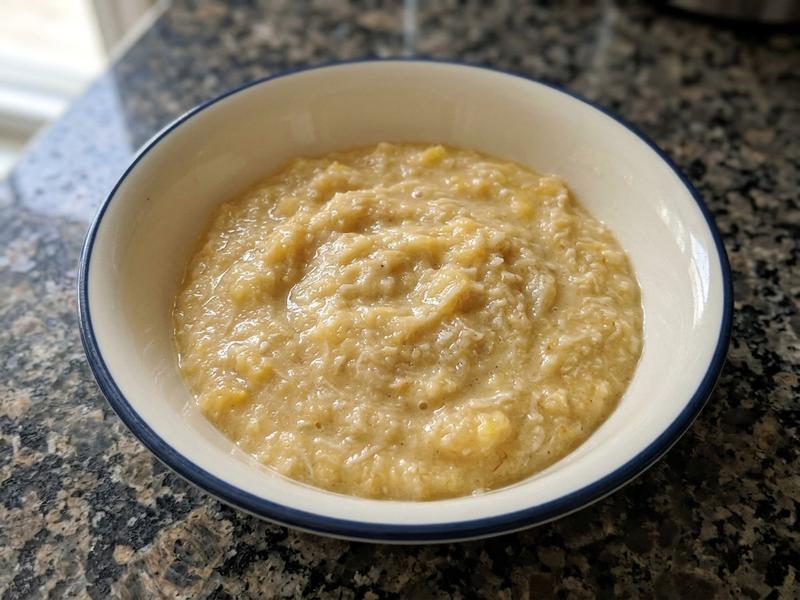 453 calTropical Grain-Free Breakfast Porridge1 serving
 221 calPapaya Salsa with Tortilla Chips1 serving
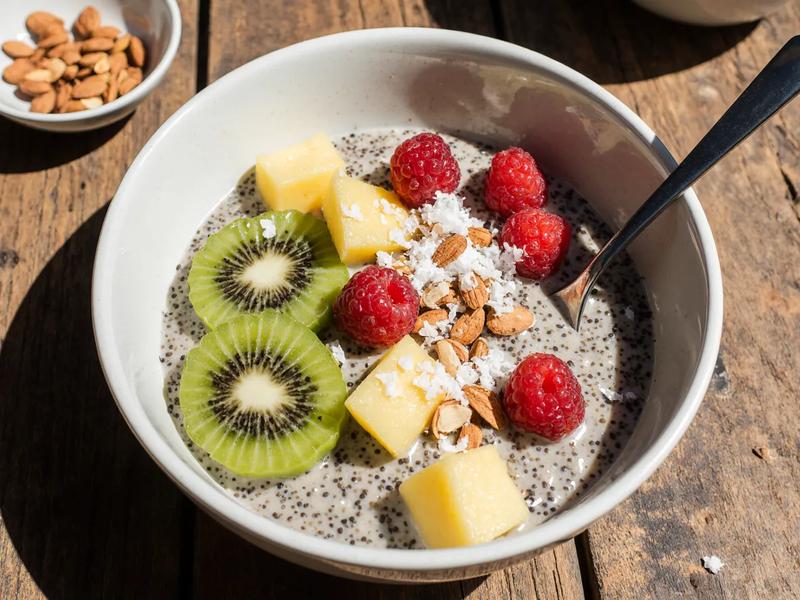 681 calOvernight Coconut-Chia Pudding Breakfast Bowl1 serving
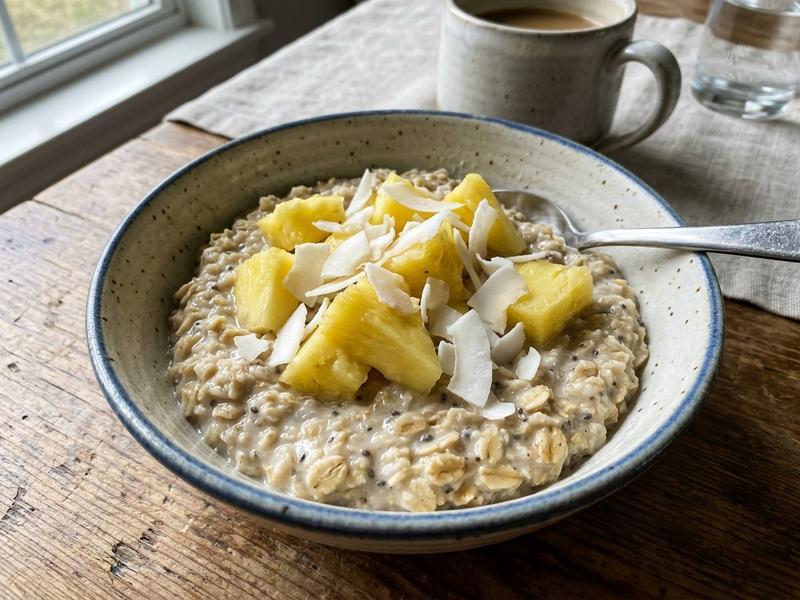 592 calTropical Coconut Oatmeal1 serving
 203 calPaleo Pineapple Chicken Spinach Meatballs1 serving
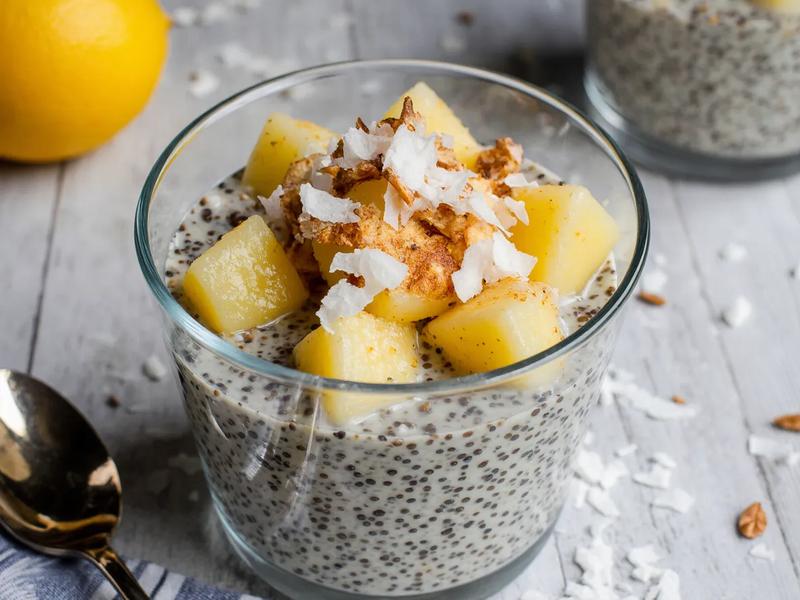 303 calPina Colada Chia Pudding1 serving
 333 calGreena" Colada1 serving