
 ⏱ 10 min total
Paleo Avocado Tuna Salad
Per 1 serving · 358 g · 6 ingredients
of a 2,000 cal day
- Protein32g27% of calories
- Carbs19g15% of calories
- Fat31g58% of calories
At a glance
One serving of Paleo Avocado Tuna Salad (358 g) has 449 calories, with 32 g of protein, 19 g of carbohydrates and 31 g of fat. Most of its energy comes from fat (58% of calories). It is high in protein (63% DV), dietary fiber (49% DV) and Vitamin C (25% DV). Keep an eye on sodium and saturated fat, which provide 23% and 23% of the daily value.
High in
20%+ of the daily value
- Protein63%
- Dietary fiber49%
- Vitamin C25%
- Vitamin E31%
- Vitamin K36%
- Riboflavin (B2)28%
Good source of
10–19% of the daily value
- Vitamin D11%
- Thiamine15%
- Choline13%
- Manganese14%
Watch
20%+ of the daily value
- Sodium23%
- Saturated fat23%
Ingredients
For one serving. Tap an ingredient to see its nutrition.


Directions
- 1
Cut the avocado in half and scoop out the flesh, leaving a shell about ¼-inch thick.
- 2
Mash the avocado flesh with lemon juice and onion in a bowl. Add tuna, salt, and pepper, stirring to combine. Taste and adjust seasoning if needed.
- 3
Fill the avocado shells with the tuna salad mixture and serve immediately.
Vitamins & minerals
Amounts for 1 serving (358 g). Bars show % of the daily value.
Vitamins
| Nutrient | Amount | % Daily Value |
|---|---|---|
| Vitamin A | 38 μg | 4% |
| Vitamin C | 23 mg | 25% |
| Vitamin D | 2 μg | 11% |
| Vitamin E | 5 mg | 31% |
| Vitamin K | 43 μg | 36% |
| Thiamine | 0.2 mg | 15% |
| Riboflavin (B2) | 0.4 mg | 28% |
| Niacin | 18 mg | 112% |
| Vitamin B6 | 1 mg | 74% |
| Folate (B9) | 171 μg | 43% |
| Vitamin B12 | 4 μg | 151% |
| Pantothenic acid | 3 mg | 60% |
| Choline | 71 mg | 13% |
Minerals
| Nutrient | Amount | % Daily Value |
|---|---|---|
| Calcium | 51 mg | 5% |
| Iron | 3 mg | 43% |
| Potassium | 1,250 mg | 27% |
| Magnesium | 92 mg | 22% |
| Phosphorus | 305 mg | 44% |
| Zinc | 2 mg | 21% |
| Copper | 0.5 mg | 52% |
| Manganese | 0.3 mg | 14% |
| Selenium | 101 μg | 183% |
Full breakdown · 43 more nutrients
| Nutrient | Amount | % Daily Value |
|---|---|---|
| Alanine | 2 g | — |
| Alpha Linolenic Acid (ALA) | 0.2 g | — |
| Alpha carotene | 48 μg | — |
| Arginine | 2 g | — |
| Aspartic acid | 3 g | — |
| Beta carotene | 125 μg | — |
| Caffeine | 0 mg | — |
| Cystine | 0.4 g | — |
| Docosahexaenoic Acid (DHA) | 0.3 g | — |
| Docosapentaenoic Acid (DPA) | 0 g | — |
| Eicosapentaenoic Acid (EPA) | 0 g | — |
| Fluoride | 41 μg | — |
| Fructose | 0.5 g | — |
| Galactose | 0.2 g | — |
| Glucose | 1 g | — |
| Glutamic acid | 5 g | — |
| Glycine | 1 g | — |
| Histidine | 1 g | — |
| Hydroxyproline | 0 g | — |
| Isoleucine | 1 g | — |
| Lactose | 0 g | — |
| Leucine | 2 g | — |
| Lycopene | 0 μg | — |
| Lysine | 3 g | — |
| Maltose | 0 g | — |
| Methionine | 1 g | — |
| Monounsaturated fats | 20 g | — |
| Phenylalanine | 1 g | — |
| Polyunsaturated fats | 4 g | — |
| Proline | 1 g | — |
| Retinol | 24 μg | — |
| Serine | 1 g | — |
| Starch | 0.2 g | — |
| Sucrose | 0.3 g | — |
| Theobromine | 0 mg | — |
| Threonine | 1 g | — |
| Total omega 3 | 1 g | — |
| Total omega 6 | 0.1 g | — |
| Tryptophan | 0.3 g | — |
| Tyrosine | 1 g | — |
| Valine | 2 g | — |
| Vitamin D2 | 0 μg | — |
| Vitamin D3 | 2 μg | — |
Burning 449 calories
Estimated for a 70 kg (154 lb) adult using MET values from the Compendium of Physical Activities.
- 85minWalking (3.5 mph)
- 54minCycling (moderate)
- 37minRunning (6 mph)
- 63minSwimming laps
Common questions
How many calories are in Paleo Avocado Tuna Salad?
One serving of Paleo Avocado Tuna Salad (1 serving) has 449 calories, which works out to 125 calories per 100 g. That is about 22% of a 2,000-calorie day.
Is Paleo Avocado Tuna Salad high in protein?
It provides a solid 32 g of protein per serving (63% of the 50 g daily value), but protein supplies only 27% of its calories, so it is not a protein-dense food. Foods where protein provides 30% or more of calories are generally considered protein-dense.
Is Paleo Avocado Tuna Salad keto-friendly?
It is hard to fit into a strict keto diet. One serving has 5 g of net carbs and 15% of its calories come from carbohydrates, while most keto plans cap net carbs at 20–50 g per day.
How much sodium is in Paleo Avocado Tuna Salad?
520 mg per serving, which is high (20% or more of the 2,300 mg daily value).
How much sugar is in Paleo Avocado Tuna Salad?
1.9 g of total sugars per serving. Labels list total sugars, which include natural sugars from fruit and milk as well as any added sugars.
More recipes
View all 168 calBasic Tossed Salad1 serving
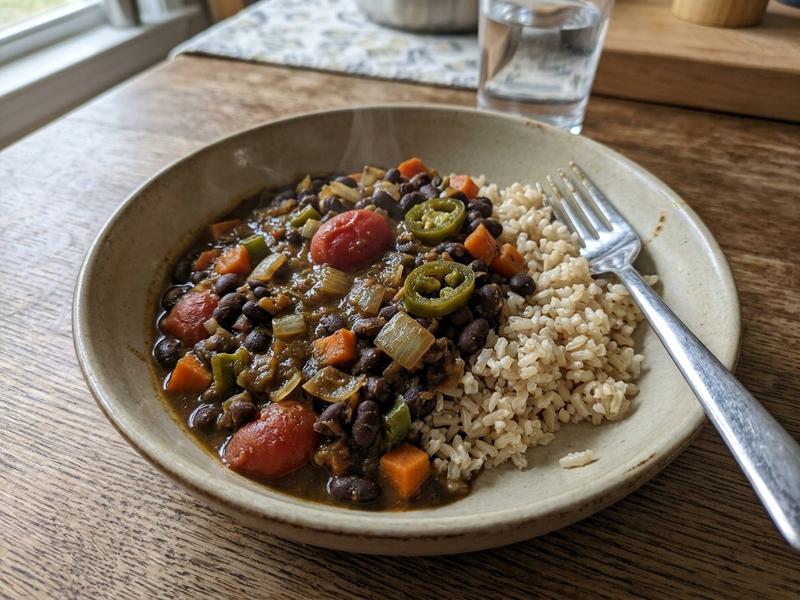 344 calSweet & Spicy Black Beans on Rice1 serving
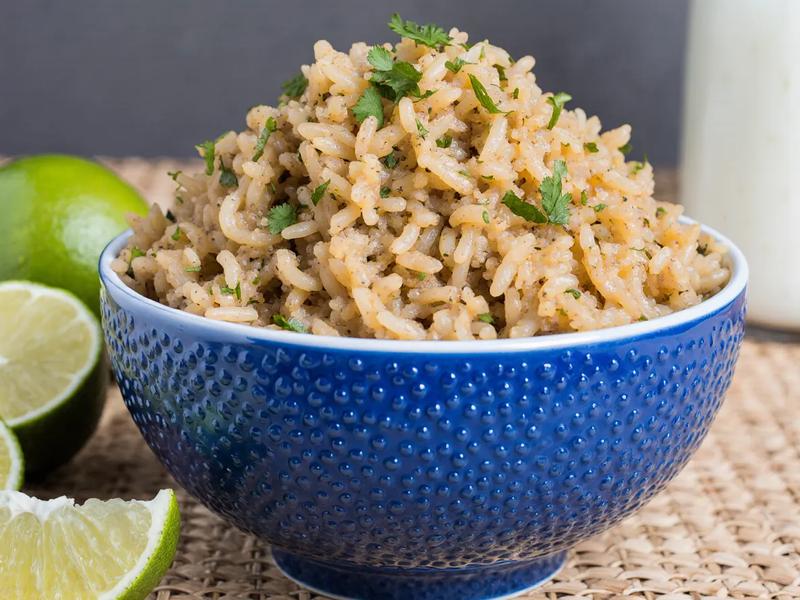 237 calRice Cooker Cilantro Lime Rice1 serving
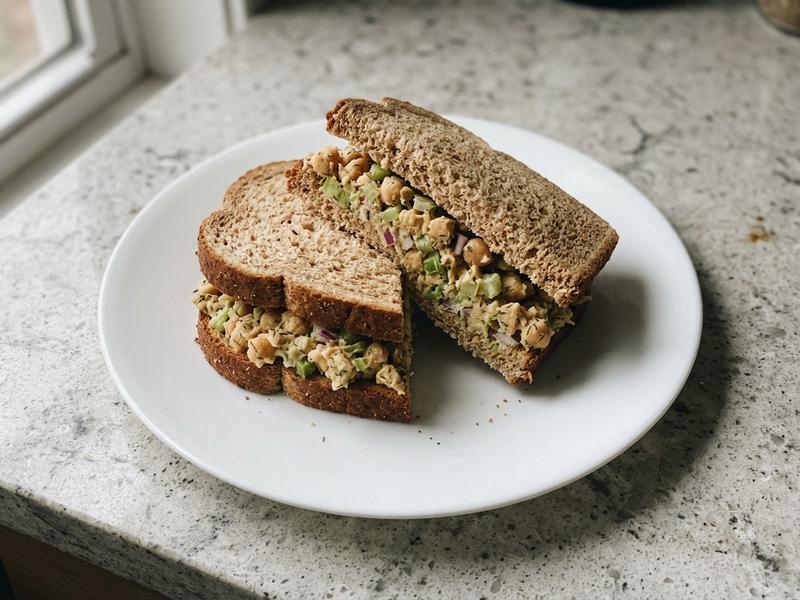 465 calVegan Chickpea Sandwich1 serving
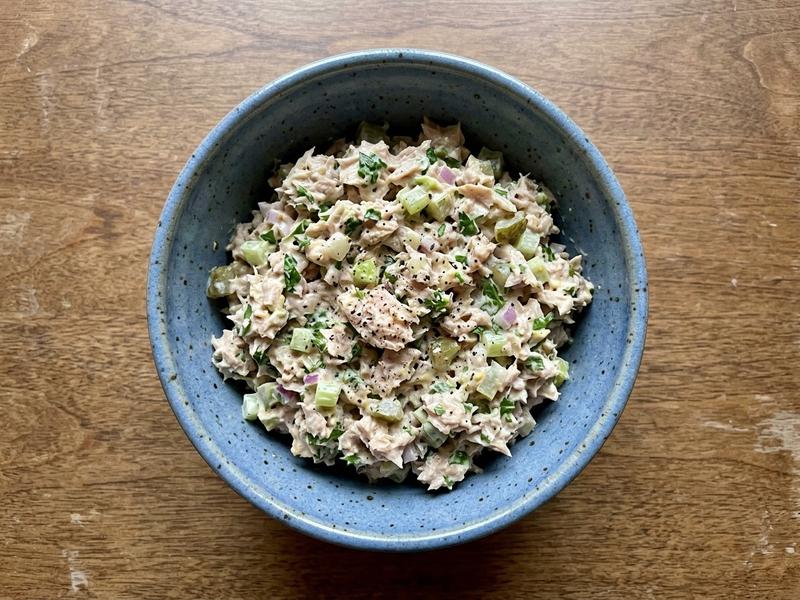 533 calClassic Tuna Salad1 serving
 315 calCheesy Ground Turkey Sweet Potato Skillet1 serving
 513 calOld-Fashioned Potato Salad1 serving
 373 calQuick Honey Garlic Shrimp with Broccoli and Rice1 serving