
 ⏱ 30 min total
Quinoa Tabbouleh
Per 1 serving · 386 g · 10 ingredients
of a 2,000 cal day
- Protein8.1g10% of calories
- Carbs37g45% of calories
- Fat17g45% of calories
- ✓ Cholesterol free
At a glance
One serving of Quinoa Tabbouleh (386 g) has 322 calories, with 8.1 g of protein, 37 g of carbohydrates and 17 g of fat. Most of its energy comes from carbs (45% of calories). It is high in dietary fiber (21% DV), Vitamin A (40% DV) and Vitamin C (48% DV).
High in
20%+ of the daily value
- Dietary fiber21%
- Vitamin A40%
- Vitamin C48%
- Vitamin E26%
- Vitamin K237%
- Vitamin B627%
Good source of
10–19% of the daily value
- Thiamine19%
- Riboflavin (B2)12%
- Niacin11%
- Pantothenic acid15%
- Potassium16%
- Zinc16%
Watch
20%+ of the daily value
Nothing notable
Ingredients
For one serving. Tap an ingredient to see its nutrition.
- 🥄½ cup Water
 ¼ cup Quinoa
 ¹⁄₁₆ cup Olive oil
- 🥄⅛ tsp Salt
 ¹⁄₁₆ cup Lemon juice
 ¾ medium whole Tomatoes
 ¼ medium Cucumber
 ½ medium Scallions
 ½ medium Carrots
 ¼ cup Parsley
Directions
- 1
Chop and dice vegetables, parsley, and scallions according to ingredient notes. Set aside.
- 2
In a saucepan bring water to a boil. Add quinoa and a pinch of salt. Reduce heat to low, cover and simmer for 15 minutes. Allow to cool to room temperature and fluff with a fork.
- 3
While quinoa is cooling, in a large bowl combine olive oil, salt, lemon juice, tomatoes, cucumber, green onions, carrots and parsley.
- 4
Stir in quinoa until combined well. Serve immediately or chill and serve later.
Vitamins & minerals
Amounts for 1 serving (386 g). Bars show % of the daily value.
Vitamins
| Nutrient | Amount | % Daily Value |
|---|---|---|
| Vitamin A | 363 μg | 40% |
| Vitamin C | 43 mg | 48% |
| Vitamin D | 0 μg | 0% |
| Vitamin E | 4 mg | 26% |
| Vitamin K | 285 μg | 237% |
| Thiamine | 0.2 mg | 19% |
| Riboflavin (B2) | 0.2 mg | 12% |
| Niacin | 2 mg | 11% |
| Vitamin B6 | 0.3 mg | 27% |
| Folate (B9) | 136 μg | 34% |
| Vitamin B12 | 0 μg | 0% |
| Pantothenic acid | 1 mg | 15% |
| Choline | 45 mg | 8% |
Minerals
| Nutrient | Amount | % Daily Value |
|---|---|---|
| Calcium | 74 mg | 7% |
| Iron | 3 mg | 43% |
| Potassium | 743 mg | 16% |
| Magnesium | 113 mg | 27% |
| Phosphorus | 250 mg | 36% |
| Zinc | 2 mg | 16% |
| Copper | 0.3 mg | 39% |
| Manganese | 1 mg | 47% |
| Selenium | 4 μg | 7% |
Full breakdown · 43 more nutrients
| Nutrient | Amount | % Daily Value |
|---|---|---|
| Alanine | 0.3 g | — |
| Alpha Linolenic Acid (ALA) | 0 g | — |
| Alpha carotene | 1,158 μg | — |
| Arginine | 1 g | — |
| Aspartic acid | 1 g | — |
| Beta carotene | 3,763 μg | — |
| Caffeine | 0 mg | — |
| Cystine | 0.1 g | — |
| Docosahexaenoic Acid (DHA) | 0 g | — |
| Docosapentaenoic Acid (DPA) | 0 g | — |
| Eicosapentaenoic Acid (EPA) | 0 g | — |
| Fluoride | 4 μg | — |
| Fructose | 2 g | — |
| Galactose | 0 g | — |
| Glucose | 2 g | — |
| Glutamic acid | 2 g | — |
| Glycine | 0.3 g | — |
| Histidine | 0.2 g | — |
| Hydroxyproline | 0 g | — |
| Isoleucine | 0.3 g | — |
| Lactose | 0 g | — |
| Leucine | 0.5 g | — |
| Lycopene | 2,374 μg | — |
| Lysine | 0.4 g | — |
| Maltose | 0 g | — |
| Methionine | 0.1 g | — |
| Monounsaturated fats | 11 g | — |
| Phenylalanine | 0.3 g | — |
| Polyunsaturated fats | 3 g | — |
| Proline | 0.4 g | — |
| Retinol | 0 μg | — |
| Serine | 0.3 g | — |
| Starch | 23 g | — |
| Sucrose | 1 g | — |
| Theobromine | 0 mg | — |
| Threonine | 0.3 g | — |
| Total omega 3 | 0 g | — |
| Total omega 6 | 0 g | — |
| Tryptophan | 0.1 g | — |
| Tyrosine | 0.1 g | — |
| Valine | 0.3 g | — |
| Vitamin D2 | 0 μg | — |
| Vitamin D3 | 0 μg | — |
Burning 322 calories
Estimated for a 70 kg (154 lb) adult using MET values from the Compendium of Physical Activities.
- 61minWalking (3.5 mph)
- 39minCycling (moderate)
- 27minRunning (6 mph)
- 45minSwimming laps
Common questions
How many calories are in Quinoa Tabbouleh?
One serving of Quinoa Tabbouleh (1 serving) has 322 calories, which works out to 83 calories per 100 g. That is about 16% of a 2,000-calorie day.
Is Quinoa Tabbouleh high in protein?
Not especially. It has 8.1 g of protein per serving, and protein supplies 10% of its calories. Foods where protein provides 30% or more of calories are generally considered protein-dense.
Is Quinoa Tabbouleh keto-friendly?
It is hard to fit into a strict keto diet. One serving has 31 g of net carbs and 45% of its calories come from carbohydrates, while most keto plans cap net carbs at 20–50 g per day.
How much sodium is in Quinoa Tabbouleh?
330 mg per serving.
How much sugar is in Quinoa Tabbouleh?
5.2 g of total sugars per serving. Labels list total sugars, which include natural sugars from fruit and milk as well as any added sugars.
More recipes
View all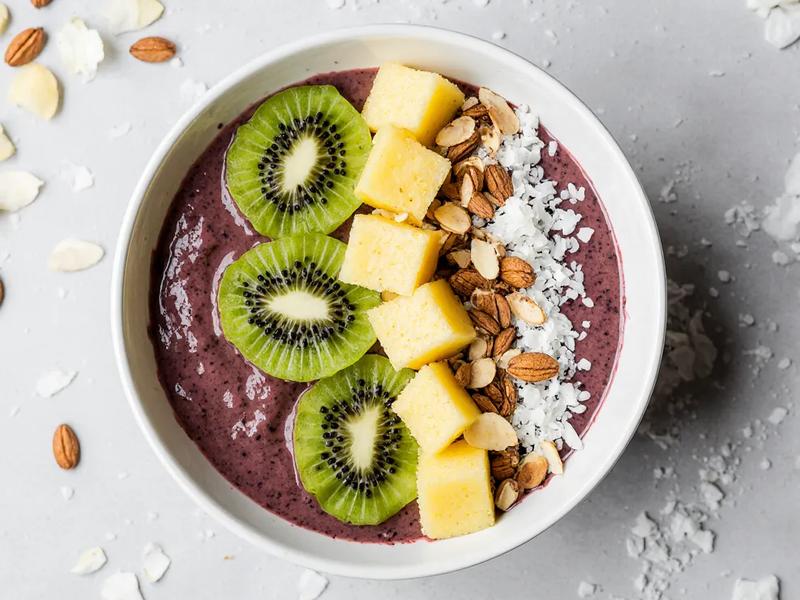 561 calSmoothie Bowl1 serving
 145 calPineapple Ginger Fruit Smoothie1 serving
 468 calVegan Panang Curry with Tofu1 serving
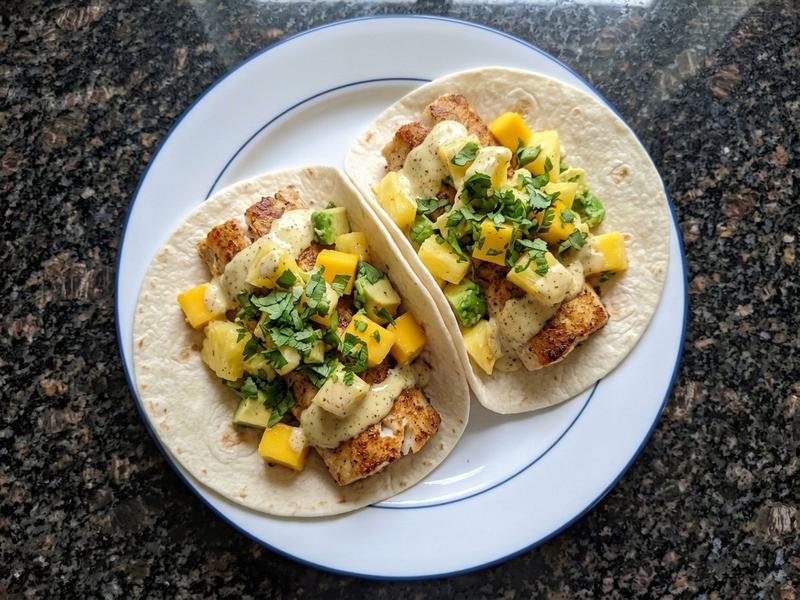 478 calSoft Mahi-Mahi Tacos with Ginger-Lime Dressing1 serving
 368 calPineapple & Avocado Salad1 serving
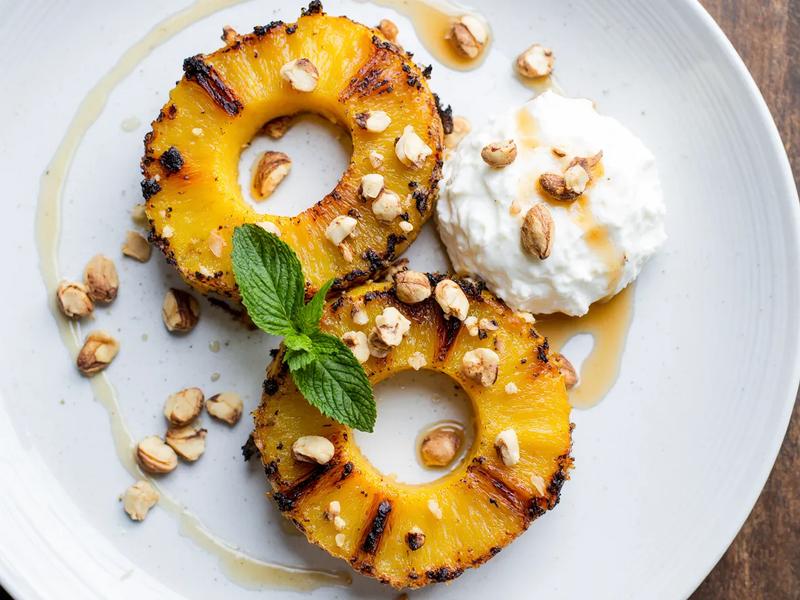 363 calRoasted Pineapple with Honey and Pistachios1 serving
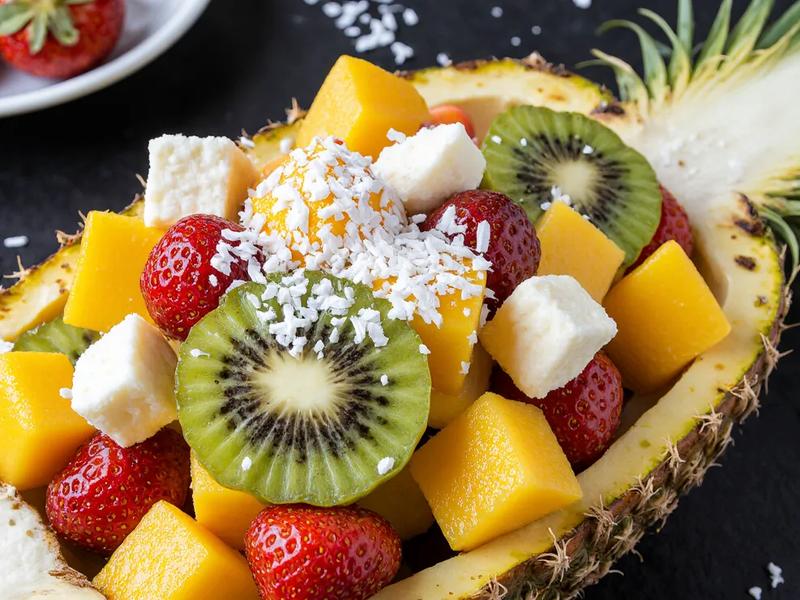 156 calTropical Fruit Salad1 serving
 204 calFruit and Berry Compote1 serving