
 ⏱ 25 min total
Angelic Pasta
Per 1 serving · 188 g · 9 ingredients
of a 2,000 cal day
- Protein12g20% of calories
- Carbs34g57% of calories
- Fat6.1g23% of calories
At a glance
One serving of Angelic Pasta (188 g) has 224 calories, with 12 g of protein, 34 g of carbohydrates and 6.1 g of fat. Most of its energy comes from carbs (57% of calories). It is high in protein (23% DV), dietary fiber (22% DV) and Vitamin C (23% DV).
High in
20%+ of the daily value
- Protein23%
- Dietary fiber22%
- Vitamin C23%
- Thiamine20%
- Vitamin B622%
- Iron24%
Good source of
10–19% of the daily value
- Vitamin K11%
- Riboflavin (B2)14%
- Niacin16%
- Folate (B9)12%
- Pantothenic acid12%
- Calcium18%
Watch
20%+ of the daily value
Nothing notable
Ingredients
For one serving. Tap an ingredient to see its nutrition.
 ³⁄₁₆ dash Black pepper
 ½ medium whole Tomatoes
- 🥄³⁄₁₆ dash Salt
 ³⁄₁₆ tbsp Garlic
 ³⁄₁₆ tbsp Olive oil
 ⅔ oz Mozzarella cheese
 2 leaf, whole Basil
 ⅓ medium Zucchini
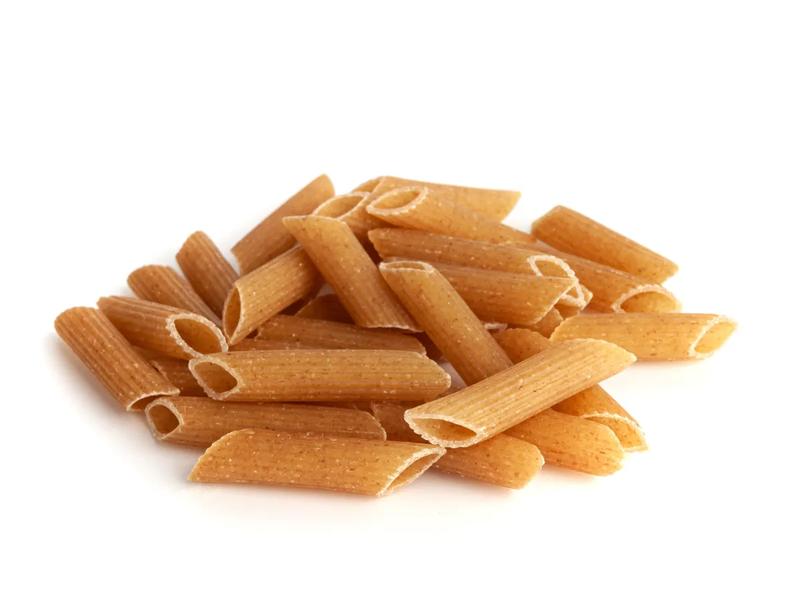 1 ⅓ oz Whole wheat pasta
Directions
- 1
Chop tomatoes. Slice zucchini. Shred mozzarella. Crush garlic.
- 2
Bring a large pot of lightly salted water to a boil. Add pasta and cook for 8 to 10 minutes or until al dente; drain.
- 3
Meanwhile, heat a medium skillet over medium heat. Pour in oil and saute garlic until golden. Stir in zucchini, salt and pepper. Saute 2 minutes, then mix in tomato and cook a few minutes more. Chop basil and add to vegetables right before mixing with pasta.
- 4
Combine pasta and vegetables. Serve topped with mozzarella.
Vitamins & minerals
Amounts for 1 serving (188 g). Bars show % of the daily value.
Vitamins
| Nutrient | Amount | % Daily Value |
|---|---|---|
| Vitamin A | 59 μg | 7% |
| Vitamin C | 21 mg | 23% |
| Vitamin D | 0.1 μg | 0% |
| Vitamin E | 1 mg | 5% |
| Vitamin K | 13 μg | 11% |
| Thiamine | 0.2 mg | 20% |
| Riboflavin (B2) | 0.2 mg | 14% |
| Niacin | 3 mg | 16% |
| Vitamin B6 | 0.3 mg | 22% |
| Folate (B9) | 49 μg | 12% |
| Vitamin B12 | 0.2 μg | 6% |
| Pantothenic acid | 1 mg | 12% |
| Choline | 14 mg | 2% |
Minerals
| Nutrient | Amount | % Daily Value |
|---|---|---|
| Calcium | 184 mg | 18% |
| Iron | 2 mg | 24% |
| Potassium | 422 mg | 9% |
| Magnesium | 78 mg | 19% |
| Phosphorus | 227 mg | 32% |
| Zinc | 2 mg | 16% |
| Copper | 0.2 mg | 27% |
| Manganese | 1 mg | 60% |
| Selenium | 31 μg | 56% |
Full breakdown · 43 more nutrients
| Nutrient | Amount | % Daily Value |
|---|---|---|
| Alanine | 0.4 g | — |
| Alpha Linolenic Acid (ALA) | 0 g | — |
| Alpha carotene | 62 μg | — |
| Arginine | 0.4 g | — |
| Aspartic acid | 1 g | — |
| Beta carotene | 394 μg | — |
| Caffeine | 0 mg | — |
| Cystine | 0.1 g | — |
| Docosahexaenoic Acid (DHA) | 0 g | — |
| Docosapentaenoic Acid (DPA) | 0 g | — |
| Eicosapentaenoic Acid (EPA) | 0 g | — |
| Fluoride | 1 μg | — |
| Fructose | 2 g | — |
| Galactose | 0 g | — |
| Glucose | 1 g | — |
| Glutamic acid | 3 g | — |
| Glycine | 0.4 g | — |
| Histidine | 0.3 g | — |
| Hydroxyproline | 0 g | — |
| Isoleucine | 0.5 g | — |
| Lactose | 0 g | — |
| Leucine | 1 g | — |
| Lycopene | 1,582 μg | — |
| Lysine | 1 g | — |
| Maltose | 0 g | — |
| Methionine | 0.2 g | — |
| Monounsaturated fats | 3 g | — |
| Phenylalanine | 1 g | — |
| Polyunsaturated fats | 1 g | — |
| Proline | 1 g | — |
| Retinol | 23 μg | — |
| Serine | 1 g | — |
| Starch | 0 g | — |
| Sucrose | 0 g | — |
| Theobromine | 0 mg | — |
| Threonine | 0.4 g | — |
| Total omega 3 | 0 g | — |
| Total omega 6 | 0 g | — |
| Tryptophan | 0.1 g | — |
| Tyrosine | 0.4 g | — |
| Valine | 1 g | — |
| Vitamin D2 | 0 μg | — |
| Vitamin D3 | 0.1 μg | — |
Burning 224 calories
Estimated for a 70 kg (154 lb) adult using MET values from the Compendium of Physical Activities.
- 43minWalking (3.5 mph)
- 27minCycling (moderate)
- 19minRunning (6 mph)
- 32minSwimming laps
Common questions
How many calories are in Angelic Pasta?
One serving of Angelic Pasta (1 serving) has 224 calories, which works out to 119 calories per 100 g. That is about 11% of a 2,000-calorie day.
Is Angelic Pasta high in protein?
It provides a solid 12 g of protein per serving (23% of the 50 g daily value), but protein supplies only 20% of its calories, so it is not a protein-dense food. Foods where protein provides 30% or more of calories are generally considered protein-dense.
Is Angelic Pasta keto-friendly?
It is hard to fit into a strict keto diet. One serving has 28 g of net carbs and 57% of its calories come from carbohydrates, while most keto plans cap net carbs at 20–50 g per day.
How much sodium is in Angelic Pasta?
155 mg per serving.
How much sugar is in Angelic Pasta?
3.5 g of total sugars per serving. Labels list total sugars, which include natural sugars from fruit and milk as well as any added sugars.
More recipes
View all 368 calPineapple & Avocado Salad1 serving
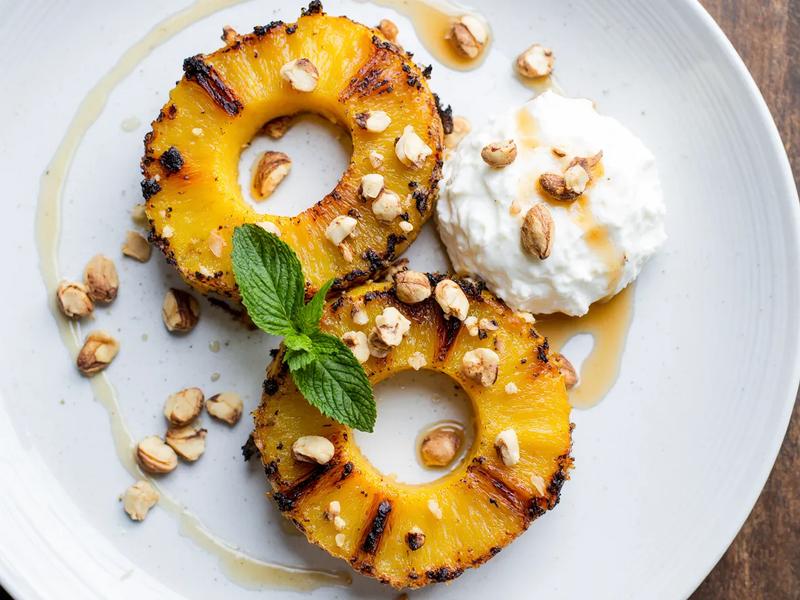 363 calRoasted Pineapple with Honey and Pistachios1 serving
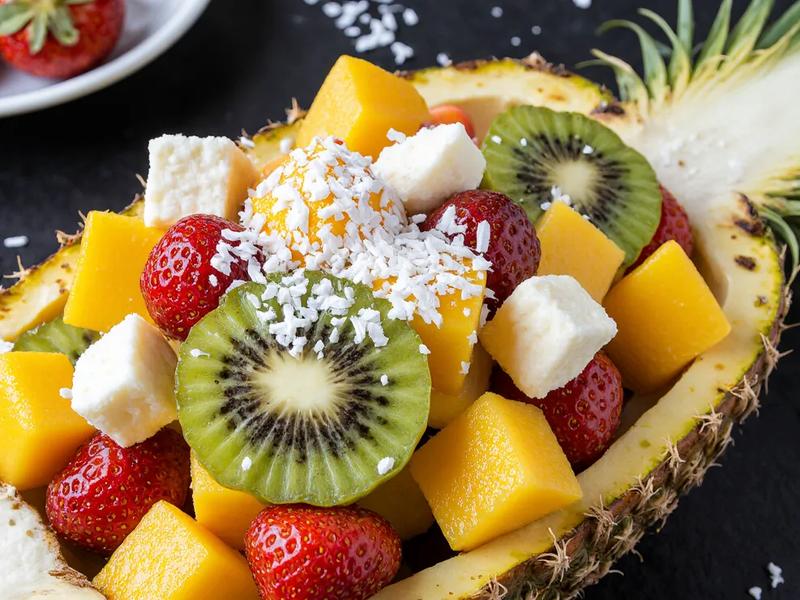 156 calTropical Fruit Salad1 serving
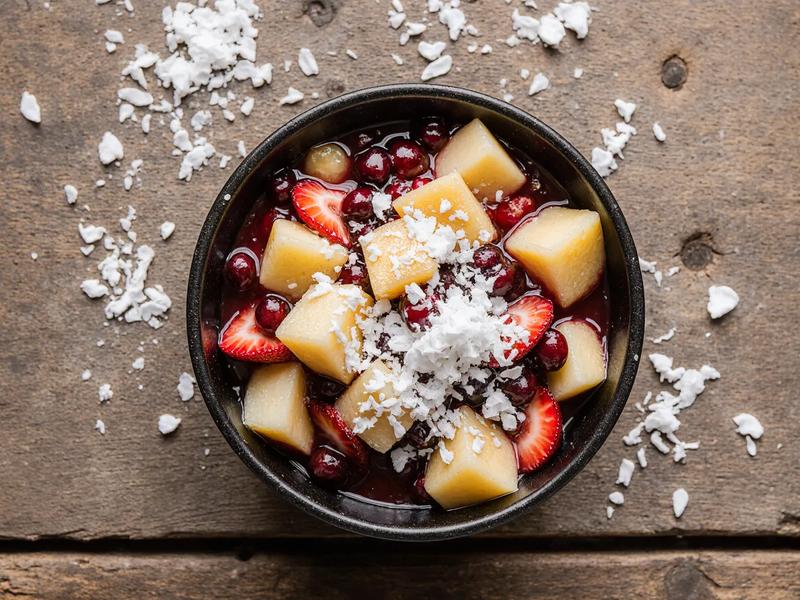 204 calFruit and Berry Compote1 serving
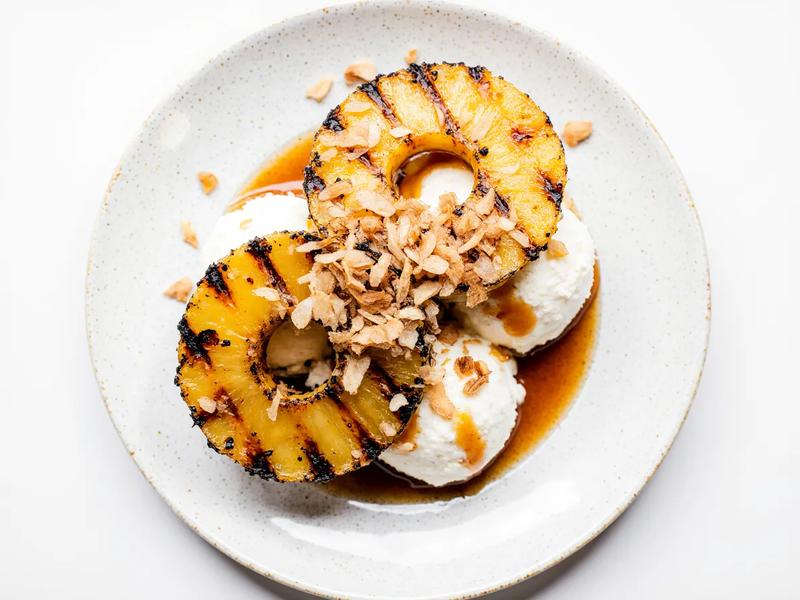 576 calCoconut Rum Grilled Pineapple with Ice Cream1 serving
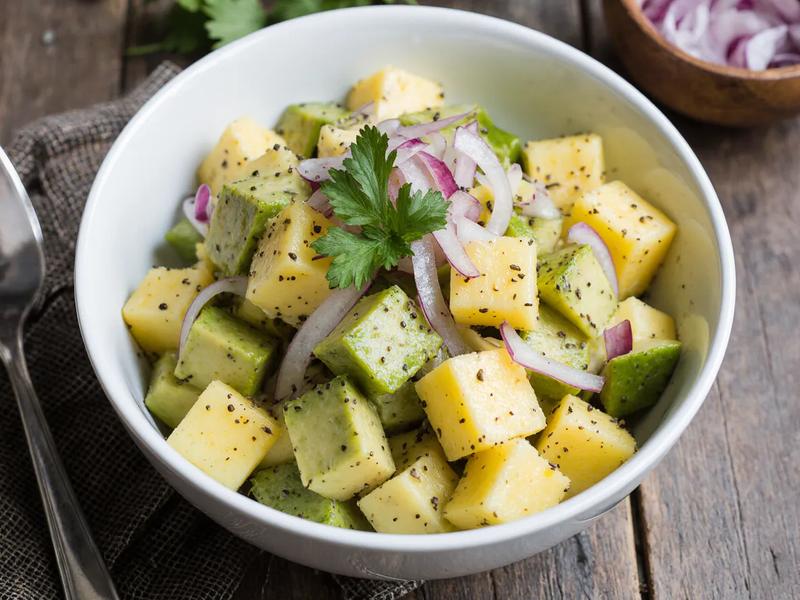 143 calMexican Pineapple Salad1 serving
 111 calMango Pineapple Green Smoothie1 serving
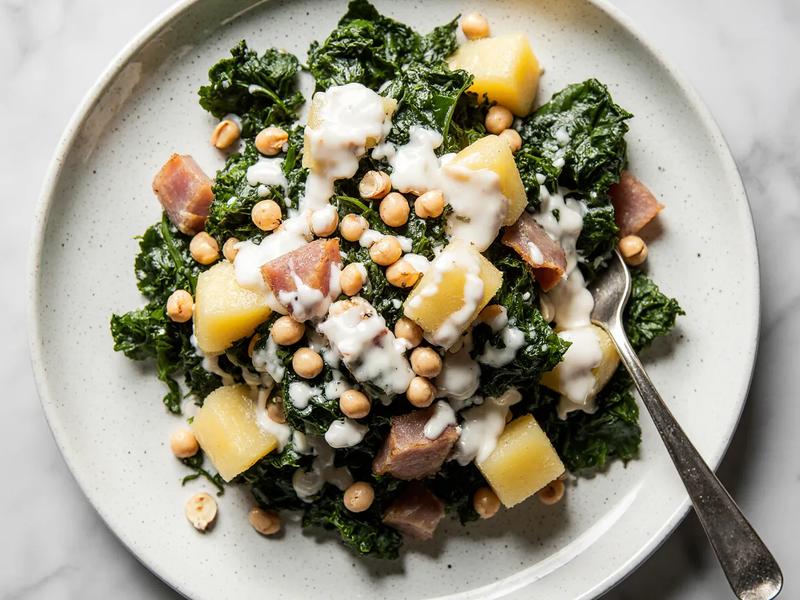 615 calHawaiian Salad1 serving