
 ⏱ 20 min total
Turkey Kielbasa Hash
Per 1 serving · 175 g · 8 ingredients
of a 2,000 cal day
- Protein10g18% of calories
- Carbs15g27% of calories
- Fat14g55% of calories
At a glance
One serving of Turkey Kielbasa Hash (175 g) has 225 calories, with 10 g of protein, 15 g of carbohydrates and 14 g of fat. Most of its energy comes from fat (55% of calories). It is high in protein (21% DV) and Vitamin C (49% DV). Keep an eye on sodium and saturated fat, which provide 52% and 22% of the daily value.
High in
20%+ of the daily value
- Protein21%
- Vitamin C49%
Good source of
10–19% of the daily value
- Iron13%
Watch
20%+ of the daily value
- Sodium52%
- Saturated fat22%
Ingredients
For one serving. Tap an ingredient to see its nutrition.
- 2 oz Hash browns

- 2 ⅓ oz Kielbasa

 ³⁄₁₆ tbsp Olive oil
 ³⁄₁₆ medium Red bell pepper
 ¹⁄₁₆ medium Green bell pepper
 ³⁄₁₆ medium Onion
- 🥄³⁄₁₆ tsp Salt
 ³⁄₁₆ tsp Black pepper
Directions
- 1
Cook hashbrowns according to package directions.
- 2
In a separate skillet, brown the sliced kielbasa for around 5 minutes in 1 tbsp of olive oil over medium-high heat. Remove the kielbasa from the pan and set aside. Add the peppers and onions to the skillet and season with a pinch of salt and pepper. Cook for 5 minutes, or until softened, stirring occasionally.
- 3
Add the cooked hashbrowns and kielbasa to the skillet with the onions and peppers and mix everything together. Serve hot and enjoy!
Vitamins & minerals
Amounts for 1 serving (175 g). Bars show % of the daily value.
Vitamins
| Nutrient | Amount | % Daily Value |
|---|---|---|
| Vitamin A | 33 μg | 4% |
| Vitamin C | 44 mg | 49% |
| Vitamin D | 0 μg | 0% |
| Vitamin E | 1 mg | 4% |
| Vitamin K | 4 μg | 3% |
| Thiamine | 0 mg | 1% |
| Riboflavin (B2) | 0 mg | 1% |
| Niacin | 0.3 mg | 2% |
| Vitamin B6 | 0.1 mg | 7% |
| Folate (B9) | 14 μg | 3% |
| Vitamin B12 | 0 μg | 0% |
| Pantothenic acid | 0.1 mg | 2% |
| Choline | 3 mg | 1% |
Minerals
| Nutrient | Amount | % Daily Value |
|---|---|---|
| Calcium | 8 mg | 1% |
| Iron | 1 mg | 13% |
| Potassium | 91 mg | 2% |
| Magnesium | 6 mg | 1% |
| Phosphorus | 13 mg | 2% |
| Zinc | 0.1 mg | 1% |
| Copper | 0 mg | 0% |
| Manganese | 0.1 mg | 5% |
| Selenium | 0.1 μg | 0% |
Full breakdown · 43 more nutrients
| Nutrient | Amount | % Daily Value |
|---|---|---|
| Alanine | 0 g | — |
| Alpha Linolenic Acid (ALA) | 0 g | — |
| Alpha carotene | 6 μg | — |
| Arginine | 0 g | — |
| Aspartic acid | 0.1 g | — |
| Beta carotene | 344 μg | — |
| Caffeine | 0 mg | — |
| Cystine | 0 g | — |
| Docosahexaenoic Acid (DHA) | 0 g | — |
| Docosapentaenoic Acid (DPA) | 0 g | — |
| Eicosapentaenoic Acid (EPA) | 0 g | — |
| Fluoride | 1 μg | — |
| Fructose | 1 g | — |
| Galactose | 0 g | — |
| Glucose | 1 g | — |
| Glutamic acid | 0.1 g | — |
| Glycine | 0 g | — |
| Histidine | 0 g | — |
| Hydroxyproline | 0 g | — |
| Isoleucine | 0 g | — |
| Lactose | 0 g | — |
| Leucine | 0 g | — |
| Lycopene | 0.1 μg | — |
| Lysine | 0 g | — |
| Maltose | 0 g | — |
| Methionine | 0 g | — |
| Monounsaturated fats | 7 g | — |
| Phenylalanine | 0 g | — |
| Polyunsaturated fats | 2 g | — |
| Proline | 0 g | — |
| Retinol | 0 μg | — |
| Serine | 0 g | — |
| Starch | 0 g | — |
| Sucrose | 0.2 g | — |
| Theobromine | 0 mg | — |
| Threonine | 0 g | — |
| Total omega 3 | 0 g | — |
| Total omega 6 | 0 g | — |
| Tryptophan | 0 g | — |
| Tyrosine | 0 g | — |
| Valine | 0 g | — |
| Vitamin D2 | 0 μg | — |
| Vitamin D3 | 0 μg | — |
Burning 225 calories
Estimated for a 70 kg (154 lb) adult using MET values from the Compendium of Physical Activities.
- 43minWalking (3.5 mph)
- 27minCycling (moderate)
- 19minRunning (6 mph)
- 32minSwimming laps
Common questions
How many calories are in Turkey Kielbasa Hash?
One serving of Turkey Kielbasa Hash (1 serving) has 225 calories, which works out to 129 calories per 100 g. That is about 11% of a 2,000-calorie day.
Is Turkey Kielbasa Hash high in protein?
It provides a solid 10 g of protein per serving (21% of the 50 g daily value), but protein supplies only 18% of its calories, so it is not a protein-dense food. Foods where protein provides 30% or more of calories are generally considered protein-dense.
Is Turkey Kielbasa Hash keto-friendly?
It is hard to fit into a strict keto diet. One serving has 13 g of net carbs and 27% of its calories come from carbohydrates, while most keto plans cap net carbs at 20–50 g per day.
How much sodium is in Turkey Kielbasa Hash?
1206 mg per serving, which is high (20% or more of the 2,300 mg daily value).
How much sugar is in Turkey Kielbasa Hash?
1.9 g of total sugars per serving. Labels list total sugars, which include natural sugars from fruit and milk as well as any added sugars.
More recipes
View all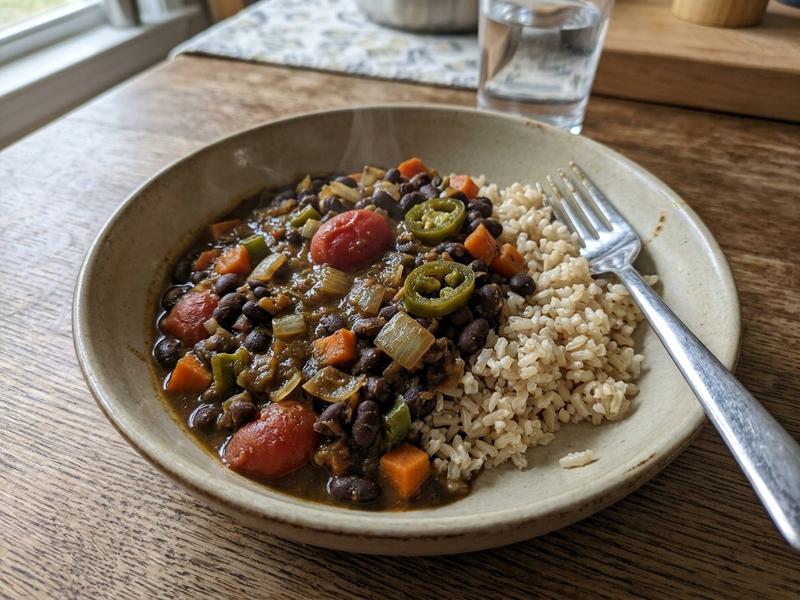 344 calSweet & Spicy Black Beans on Rice1 serving
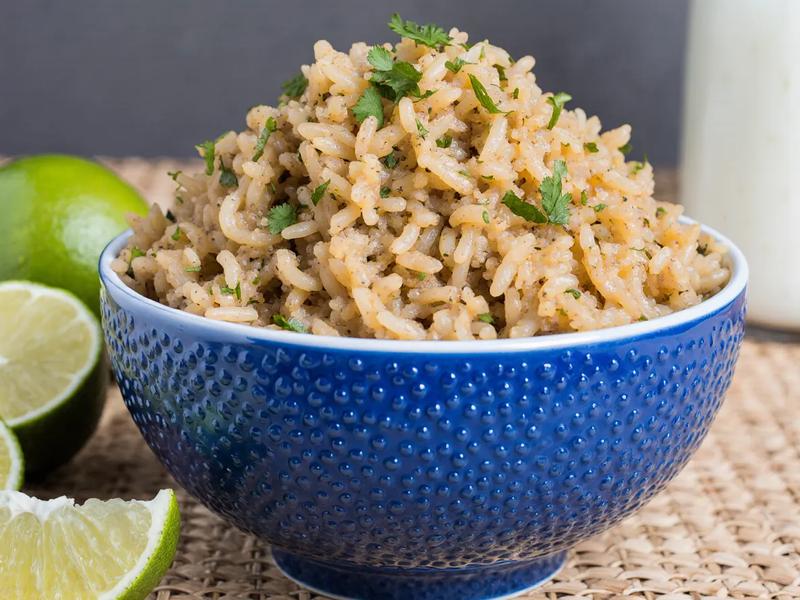 237 calRice Cooker Cilantro Lime Rice1 serving
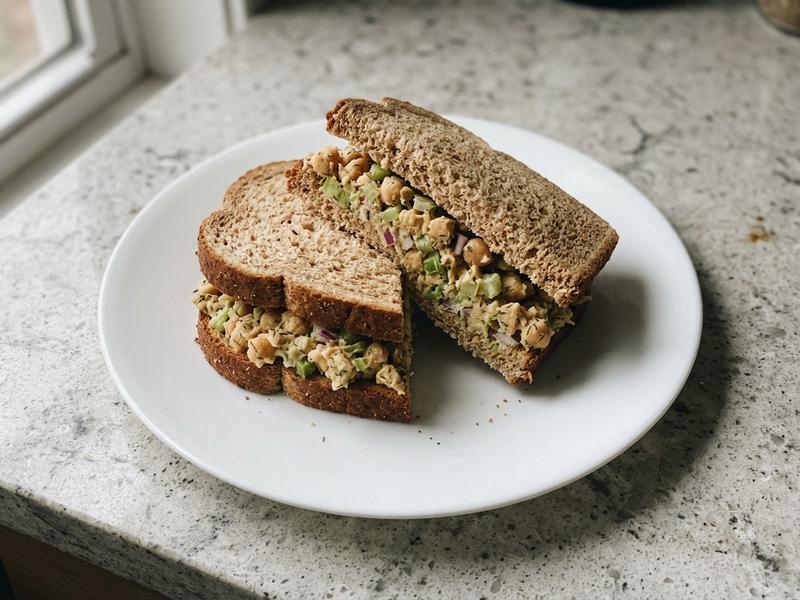 465 calVegan Chickpea Sandwich1 serving
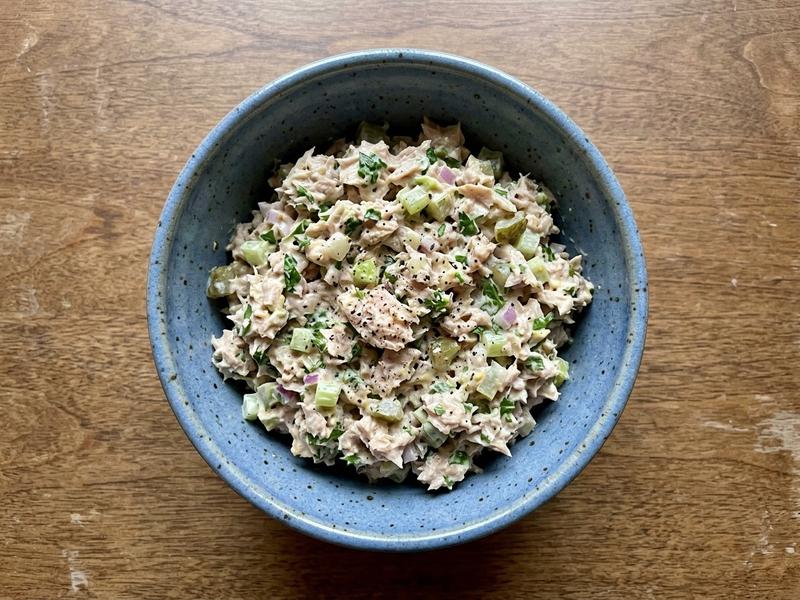 533 calClassic Tuna Salad1 serving
 315 calCheesy Ground Turkey Sweet Potato Skillet1 serving
 513 calOld-Fashioned Potato Salad1 serving
 373 calQuick Honey Garlic Shrimp with Broccoli and Rice1 serving
 334 calSake Miso Glazed Salmon1 serving